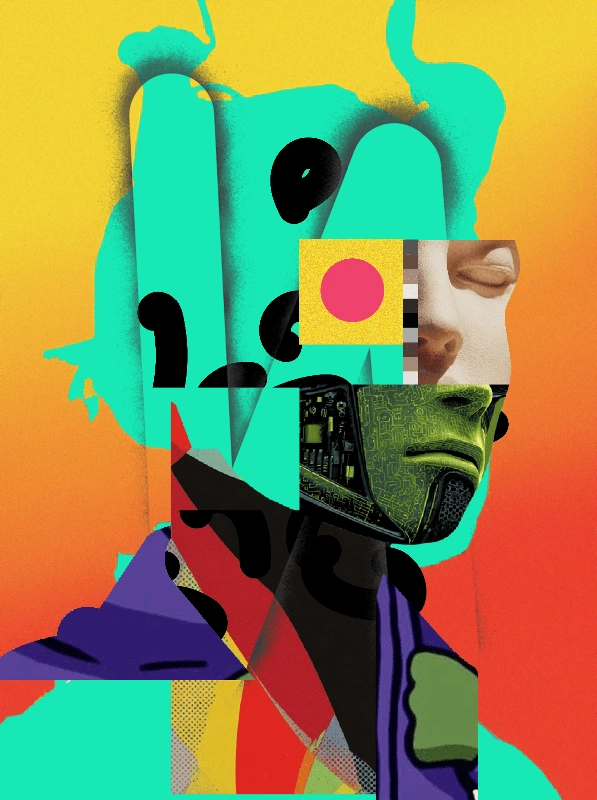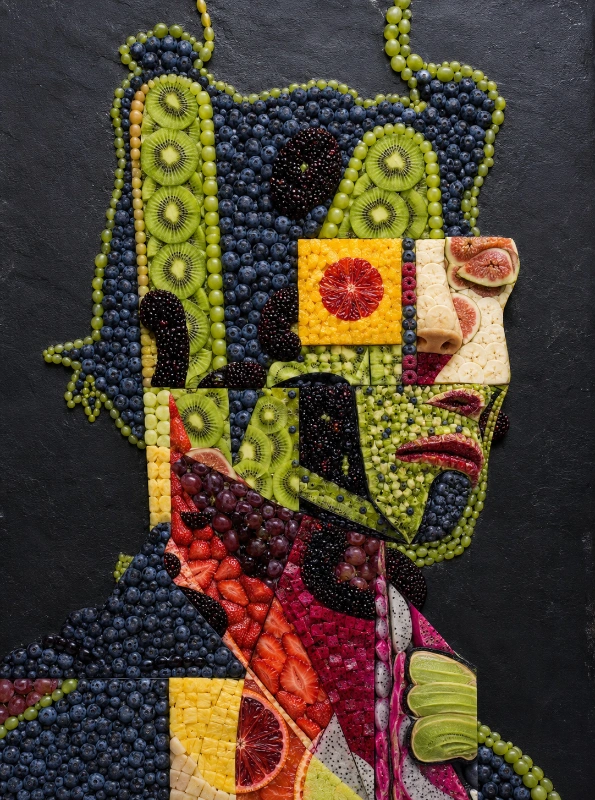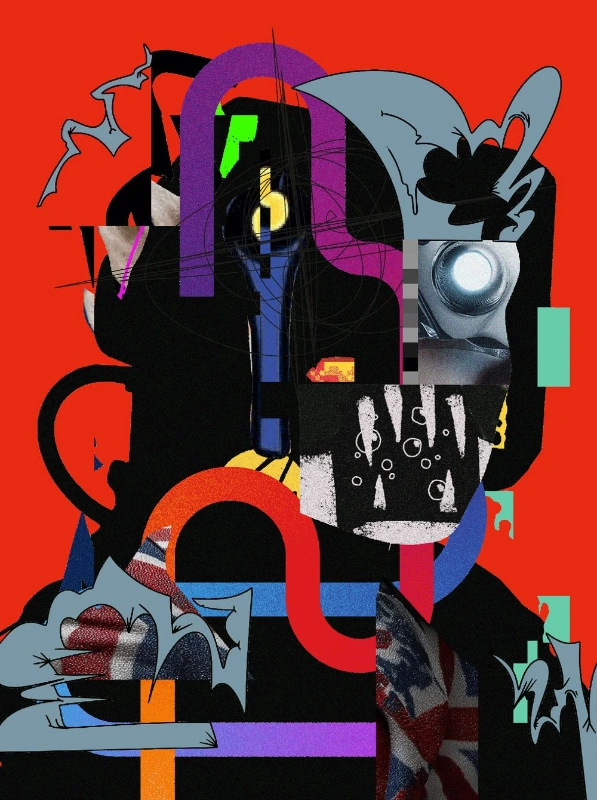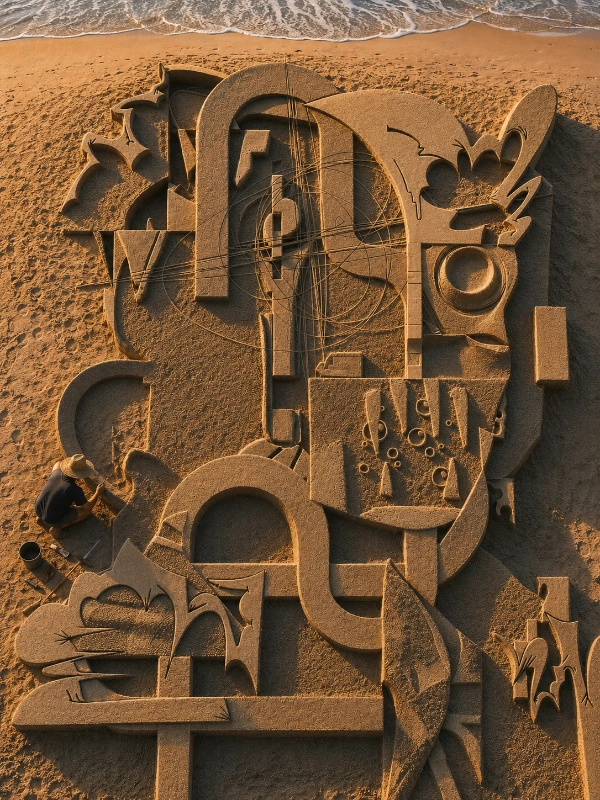
A visual gallery of prompt transformations

Scroll through before & after image prompts. Hover or tap any card to reveal the result.

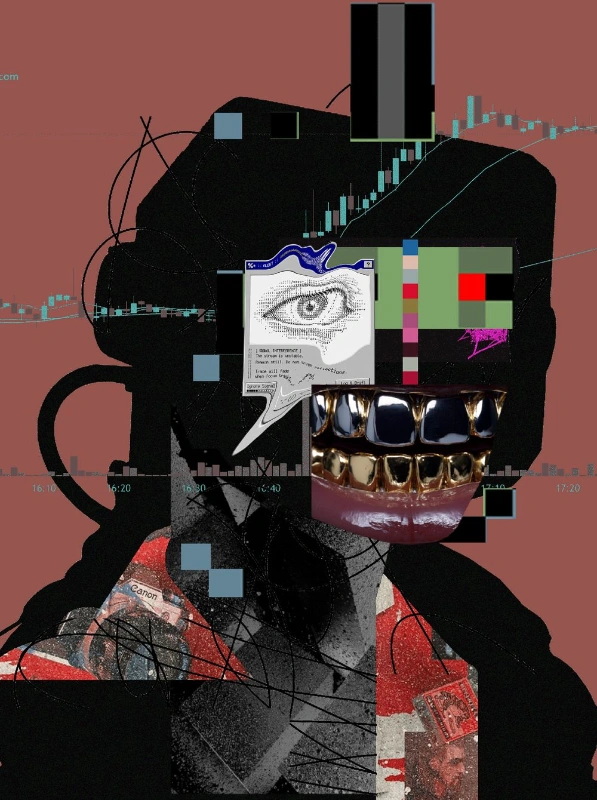
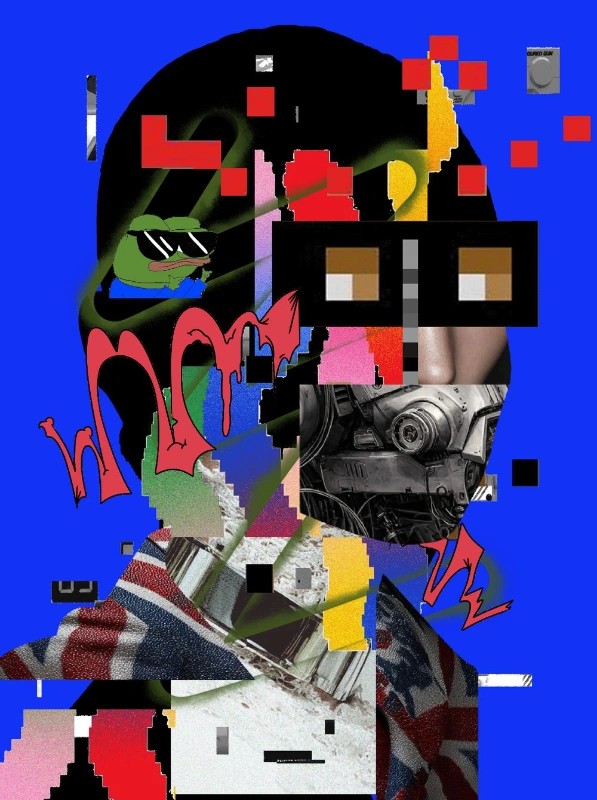
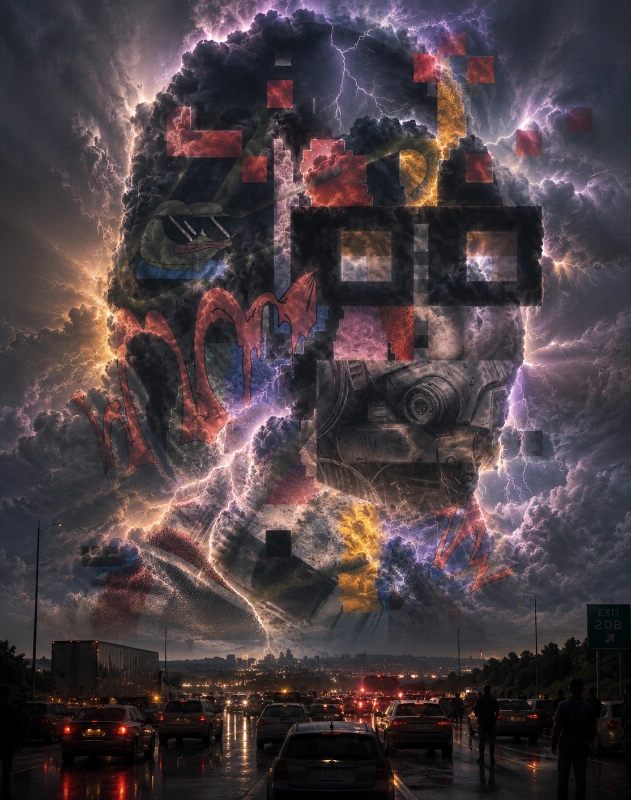
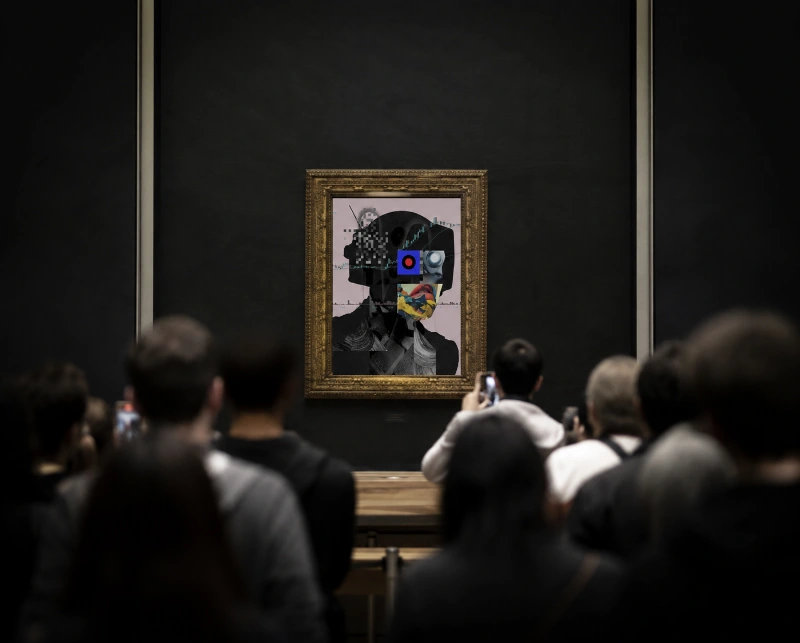
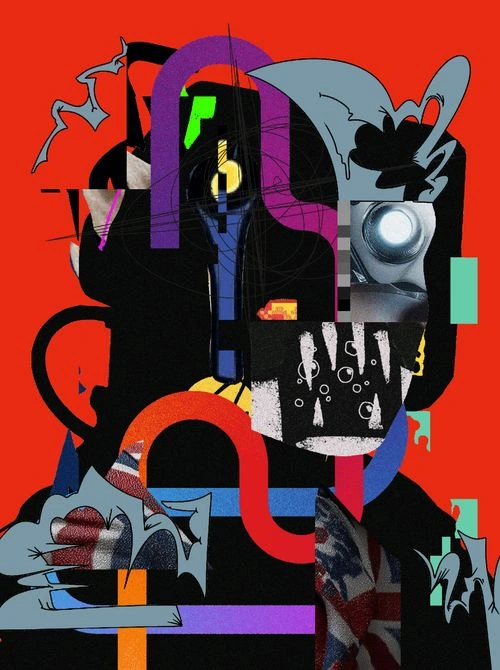
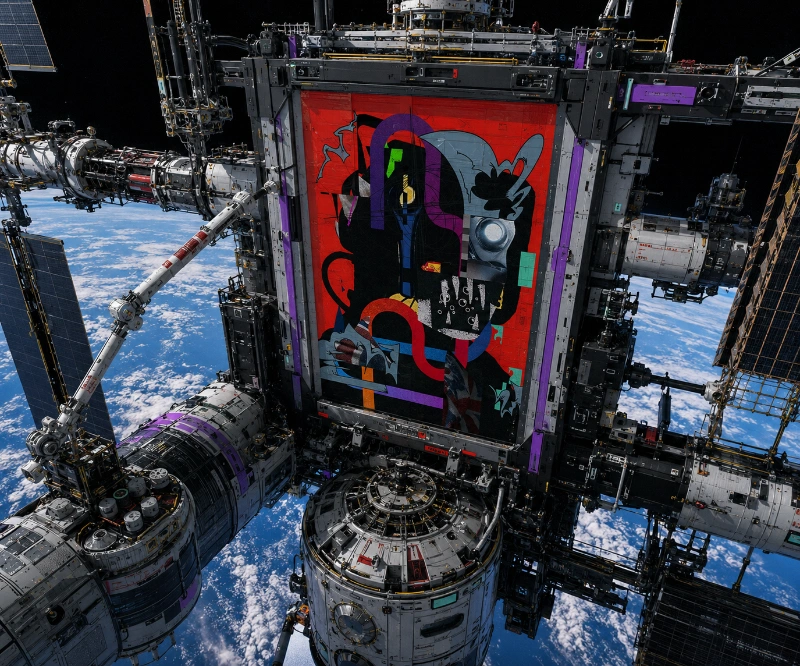
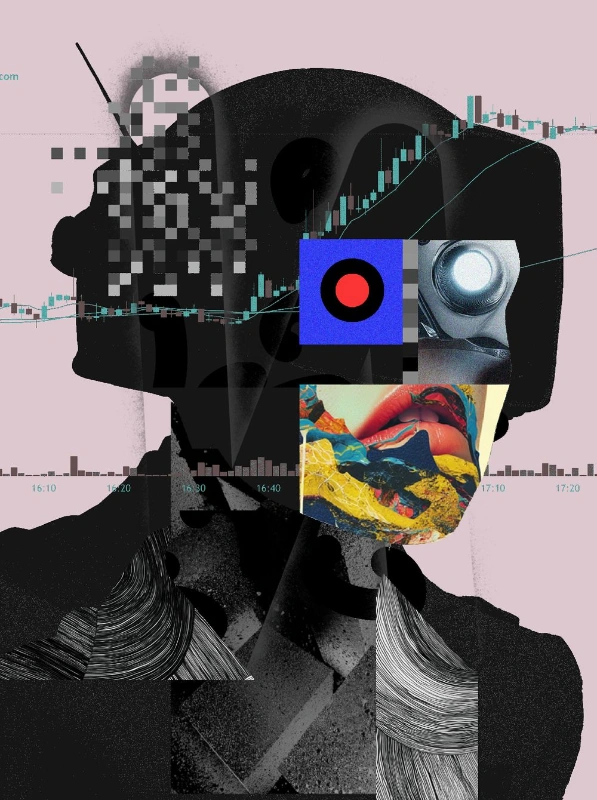
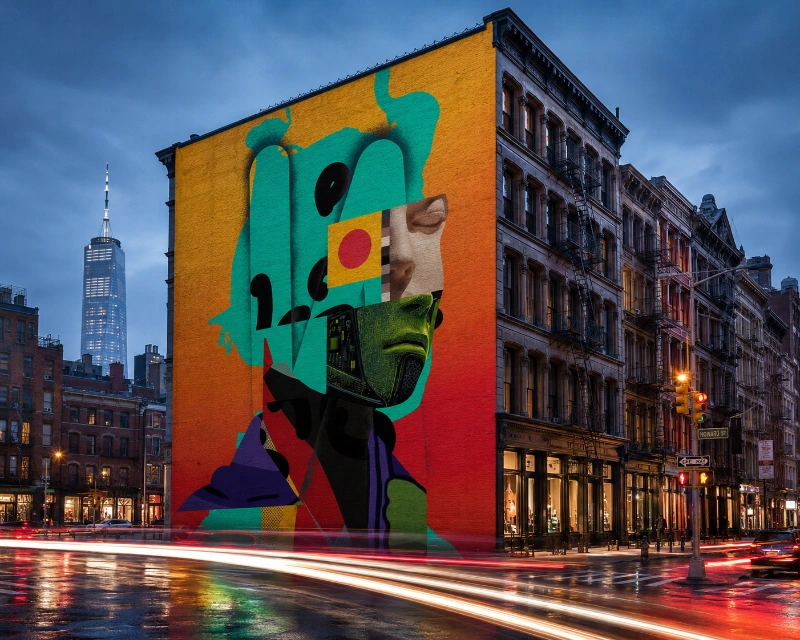
Poster on the Wall — beforePoster on the Wall — after
Before

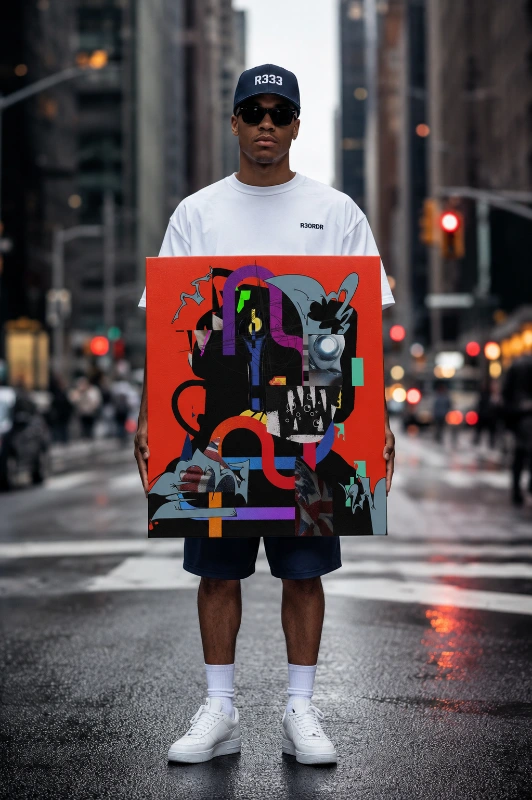
Poster on the Wall

by @p1gg0d0
general
art

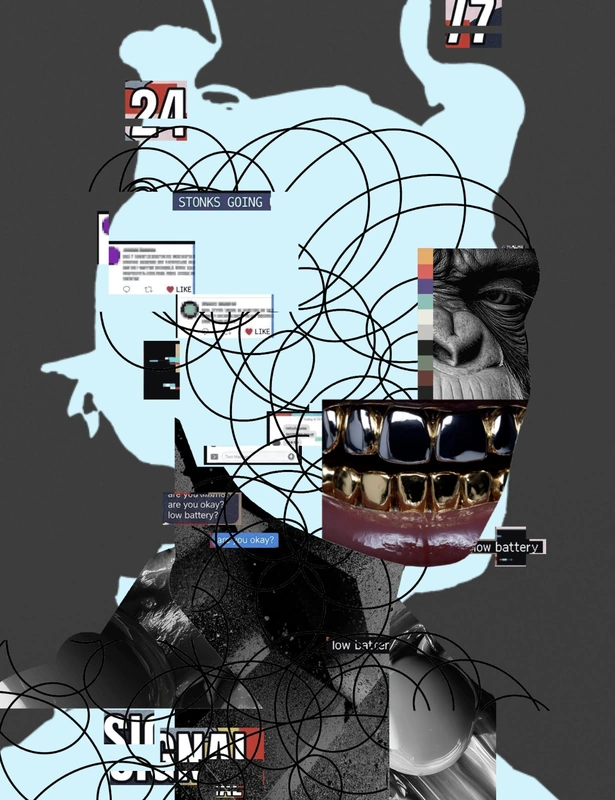
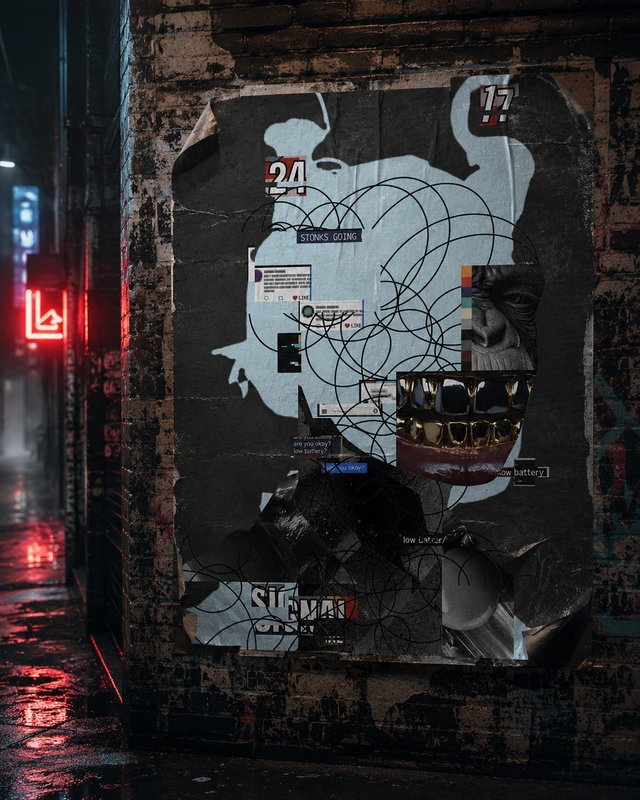
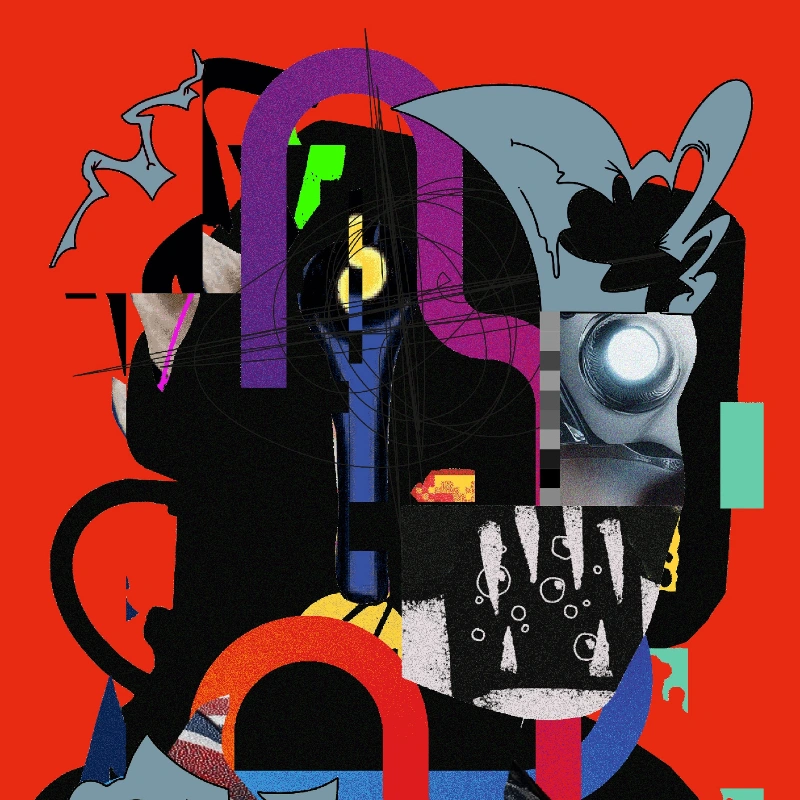
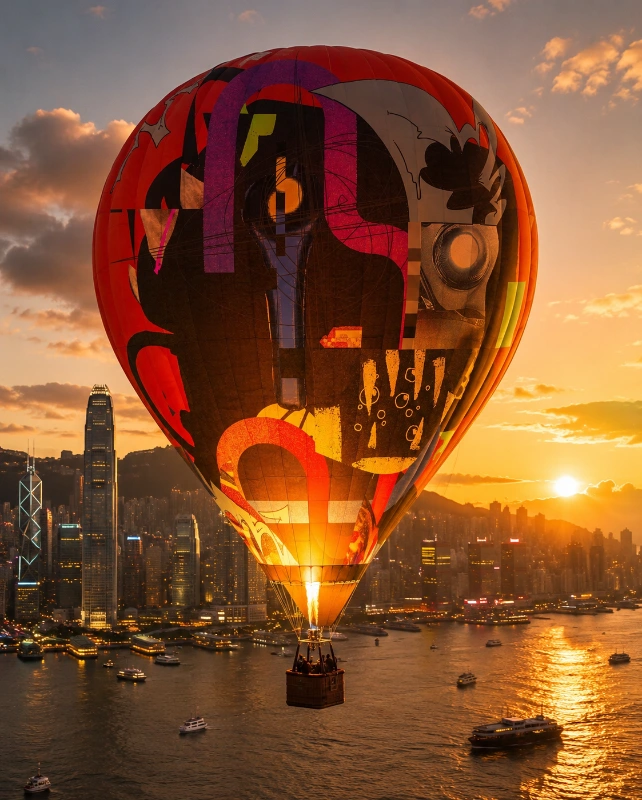
A high-end cinematic street photography scene at night in a narrow dark alley. A large weathered brick wall dominates the composition. The uploaded collage artwork is pasted onto the wall as a real-life oversized street poster/paper print — slightly wrinkled, layered, worn at the edges, with realistic paper texture, glue marks, subtle tears, and folds. The poster should feel freshly wheat-pasted but naturally integrated into the environment. The alley atmosphere should feel moody, underground, futuristic, and editorial. Wet pavement reflecting dim neon light. Soft fog and ambient haze in the background. Dramatic side lighting and subtle cyan/red neon reflections bouncing onto the bricks and poster surface. High contrast shadows. The artwork itself remains the visual centerpiece and must stay fully recognizable. IMPORTANT: Preserve the uploaded artwork exactly as-is. Do NOT redraw or reinterpret the collage. Do NOT alter composition, shapes, scribbles, colors, or layout. Treat it as a physical printed poster attached to the wall. The brick wall should have: gritty realistic texture layered graffiti remnants stains cracks urban decay cinematic depth realistic perspective distortion Add environmental realism: curled poster corners overlapping old torn posters beneath moisture damage slight gloss where light hits the paper realistic shadow casting from folds tiny dust particles in air subtle depth of field Camera/style direction: ultra realistic photography, Sony A7R IV, 85mm lens, shallow depth of field, cinematic composition, museum-quality detail, extremely high resolution, premium streetwear campaign energy, luxury editorial photography, dystopian urban atmosphere, realistic lighting, rich texture fidelity, hyper detailed, sharp focus on poster, soft bokeh background. The final image should feel like a rare underground art poster discovered in a futuristic city alley.

View Prompt
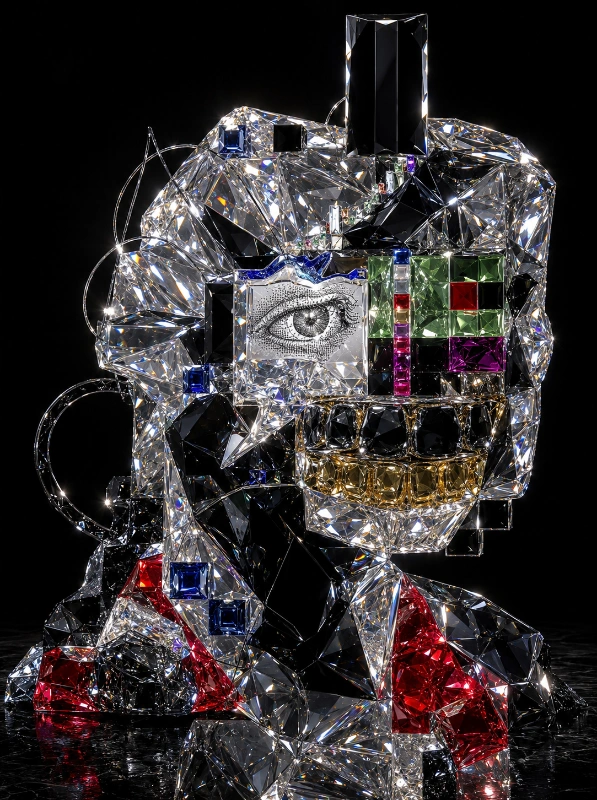
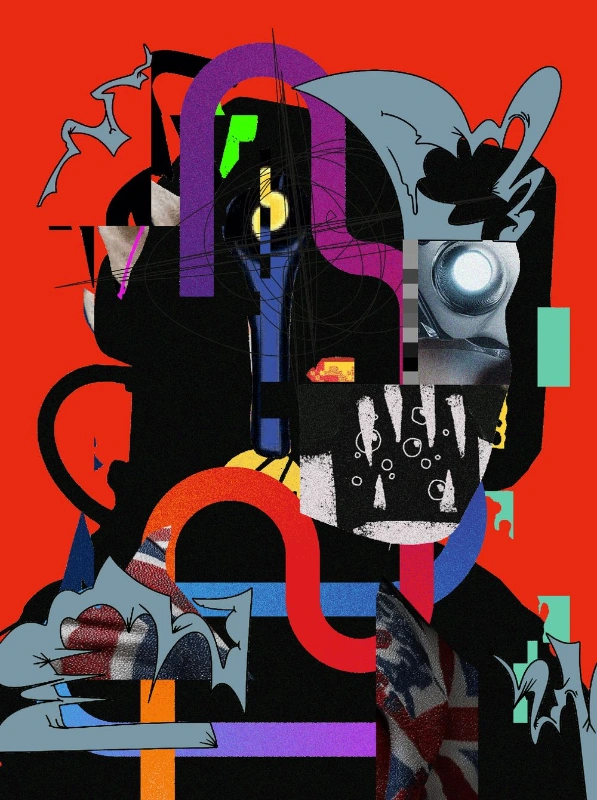
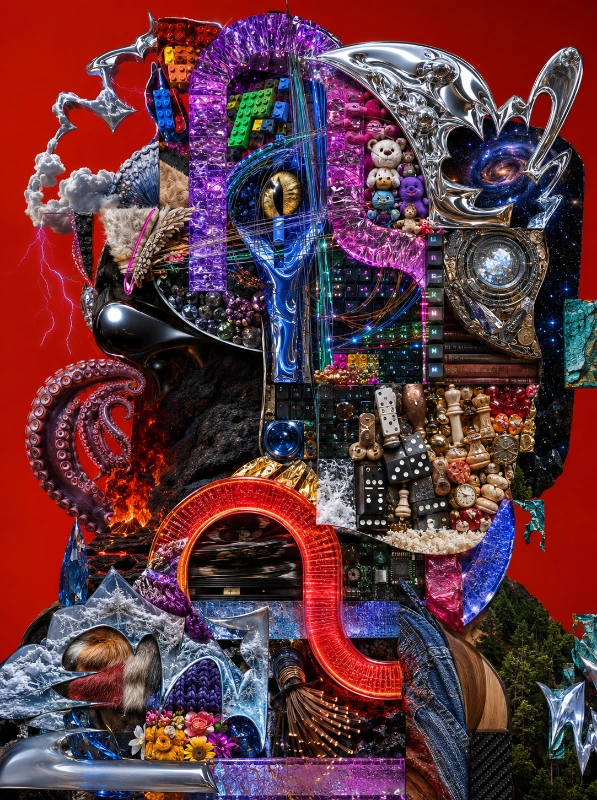
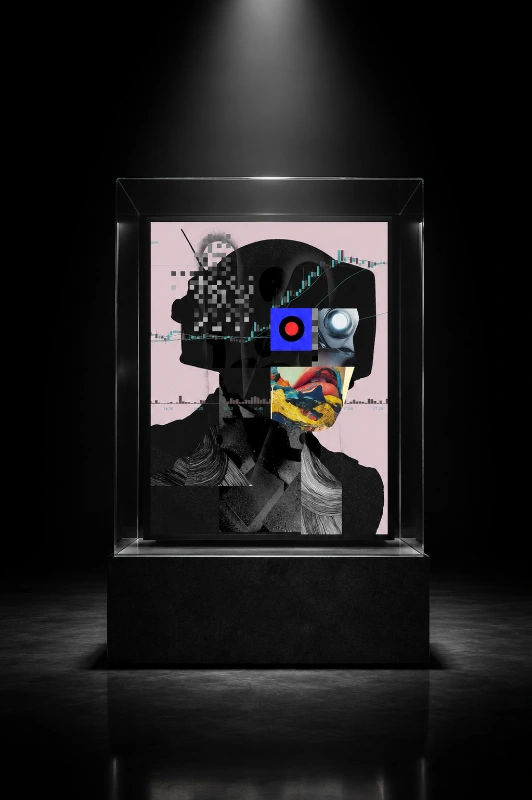
Artwork Expansion Protocol — beforeArtwork Expansion Protocol — after
Before

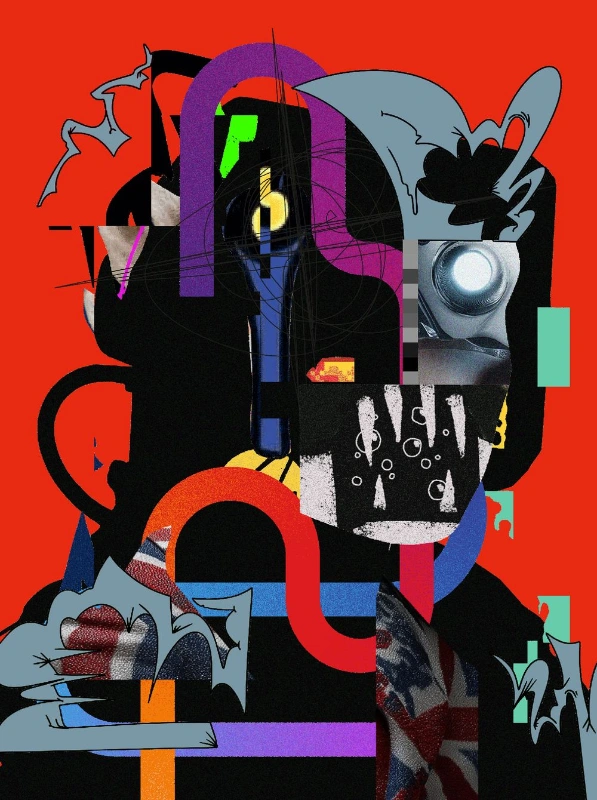
Artwork Expansion Protocol

by @p1gg0d0
art
general

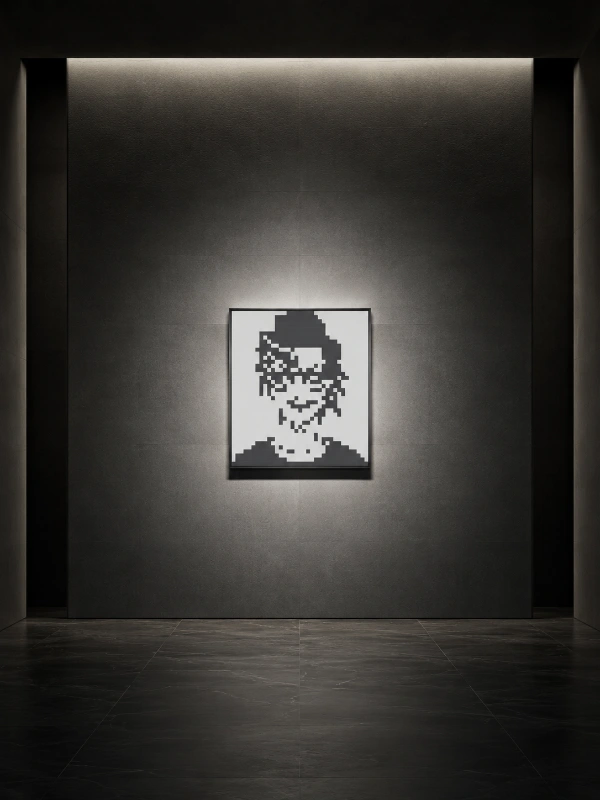
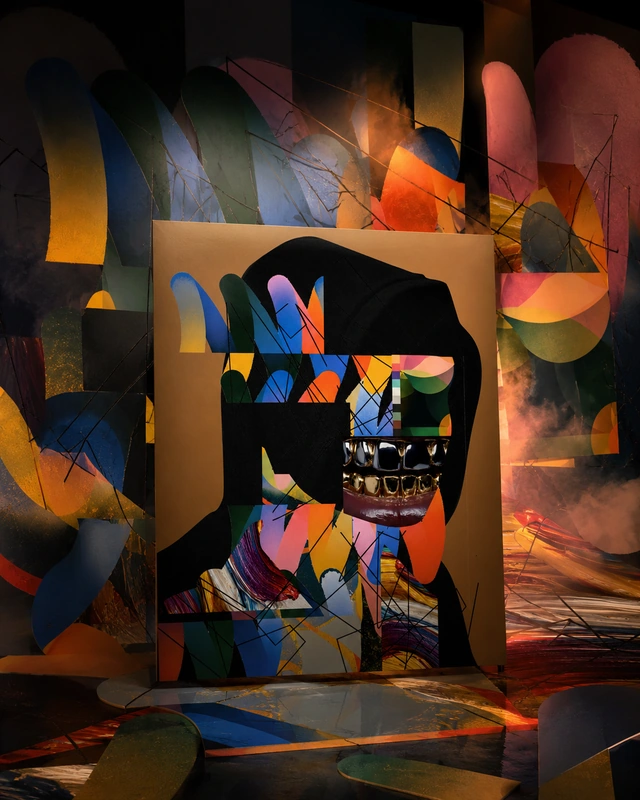
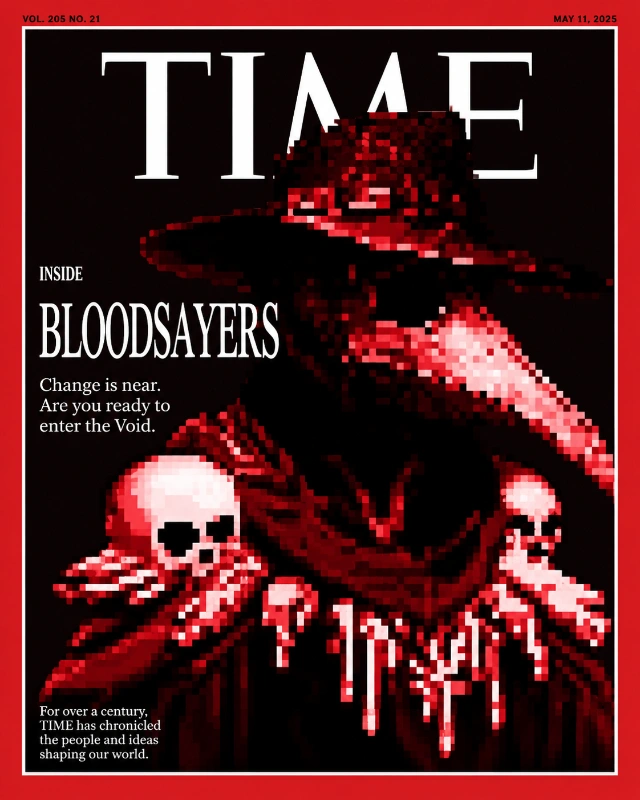
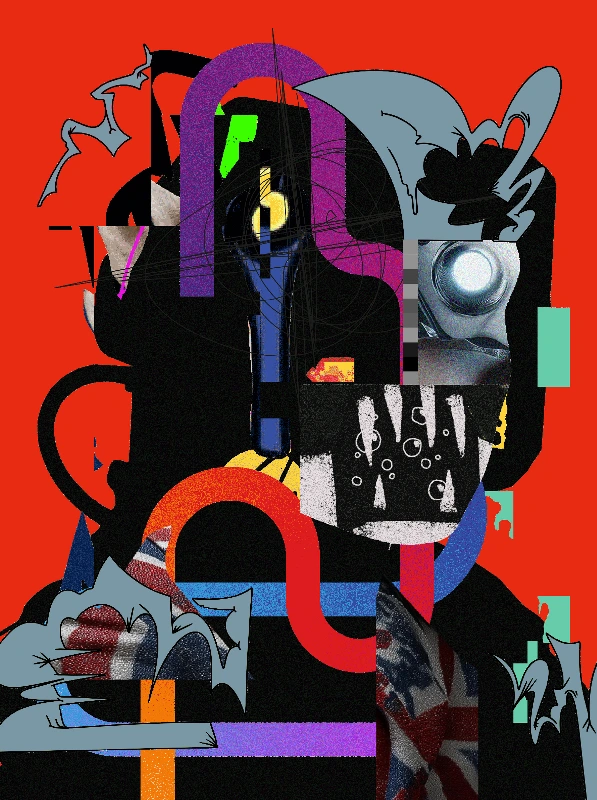
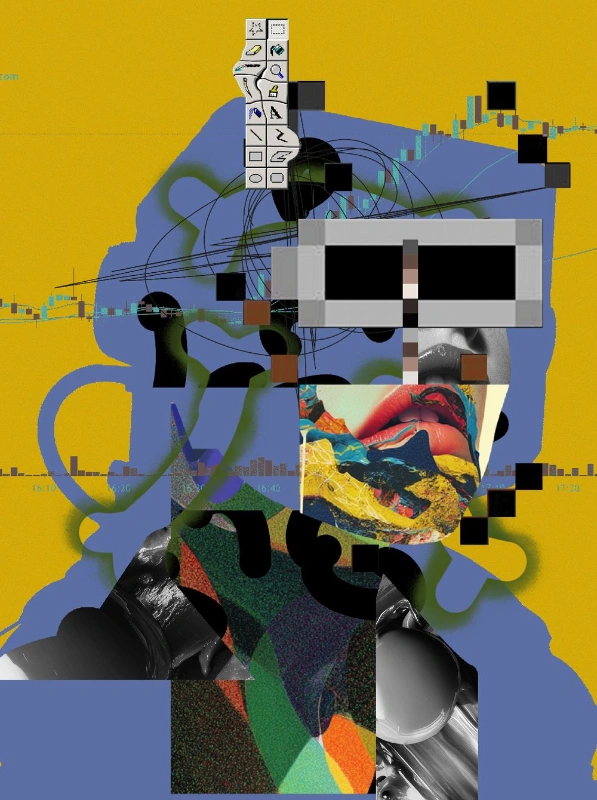
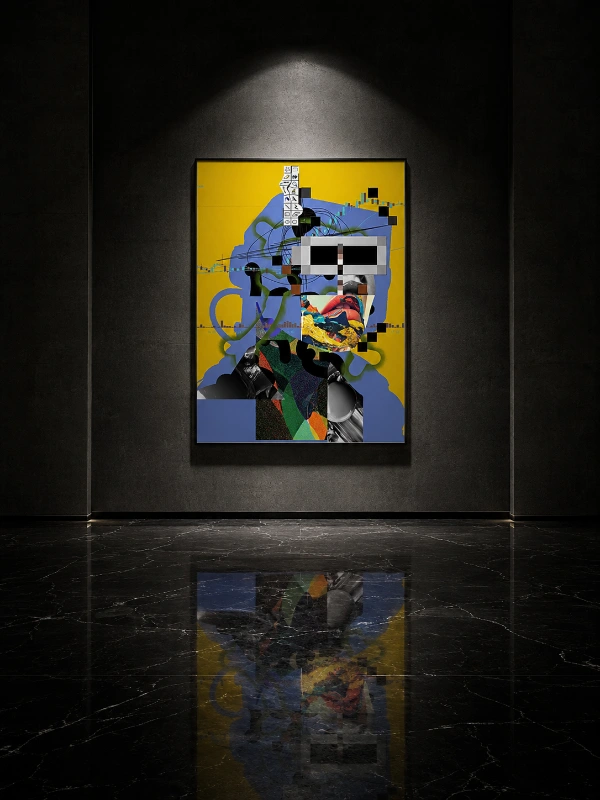
Create a cinematic mixed-media editorial composition using the uploaded artwork as BOTH the foreground subject and the source material for the environment itself. The final image should feel like a luxury gallery campaign, post-internet street editorial, and contemporary digital art installation combined. BACKGROUND CONCEPT: Extract visual fragments, textures, colors, shapes, gradients, brushstrokes, scribbles, curves, collage pieces, painted textures, geometric forms, and layered cutout elements directly from the uploaded artwork and reconstruct them into a deep immersive environment behind the main piece. The background should NOT be generic. It should feel like the artwork exploded outward into a dimensional world. Create: — layered atmospheric depth — oversized blurred collage fragments — floating abstract cut-paper forms — stretched painted textures — soft gradient fog — subtle grain — overlapping transparent geometric elements — distorted fragments sampled from the original artwork — subtle shadow layering — atmospheric perspective — rich negative space The environment should feel: — futuristic — editorial — museum-grade — cinematic — experimental — premium — immersive — high-fashion — dark but colorful IMPORTANT: The background MUST visibly inherit DNA from the uploaded artwork itself. Everything should feel visually connected. FOREGROUND: Place the original artwork clearly in the foreground as the hero piece. Preserve the artwork EXACTLY: — do not redraw — do not reinterpret — do not alter composition — do not change colors — do not clean up imperfections — keep the same collage structure — preserve all scribbles and textures Treat it like a premium physical mixed-media artwork floating in space or mounted in a cinematic gallery environment. Add: — realistic soft shadows — subtle depth separation — edge lighting — slight atmospheric glow — premium presentation styling — layered lighting interaction between artwork and environment COMPOSITION: — artwork centered or slightly off-center — dramatic depth — elegant visual balance — immersive layered scene — professional framing — clean luxury composition — contemporary art direction LIGHTING: — cinematic moody lighting — soft directional highlights — subtle rim lighting — ambient colored reflections sampled from artwork palette — dark luxury shadows — controlled contrast STYLE REFERENCES: high-end gallery installation, Saint Laurent campaign visuals, post-internet editorial design, experimental collage photography, contemporary museum poster aesthetics, luxury fashion campaign composition, cinematic digital mixed media QUALITY: ultra high resolution, extremely detailed, professional art direction, sharp foreground focus, rich texture detail, subtle film grain, premium color grading, 8k quality, editorial finish, award-winning contemporary design aesthetic.
View Prompt
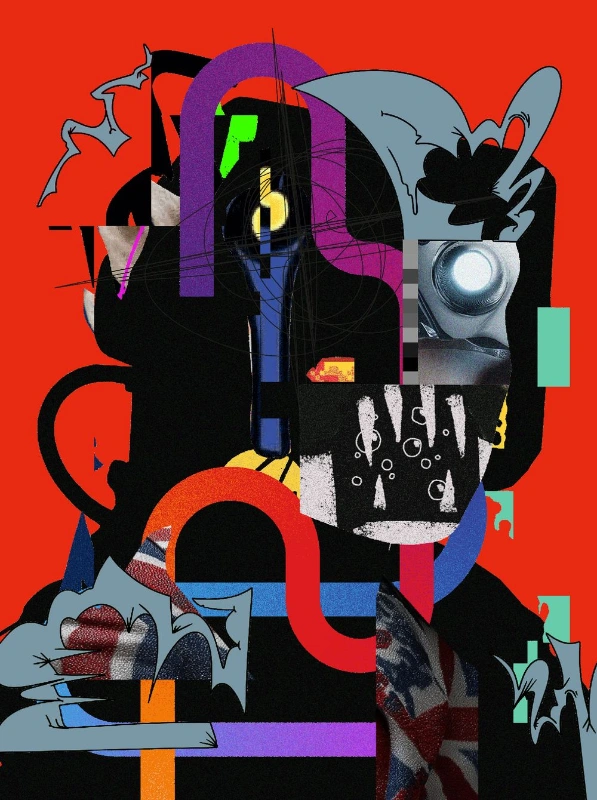
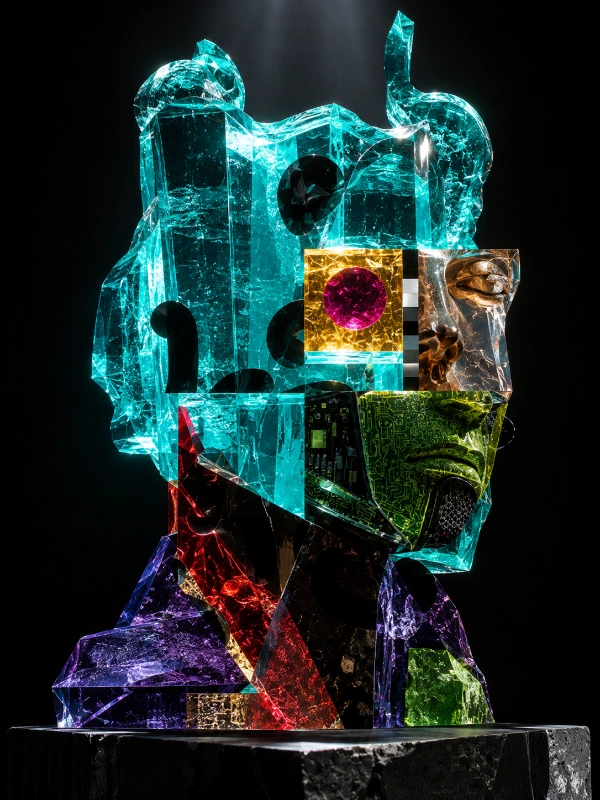
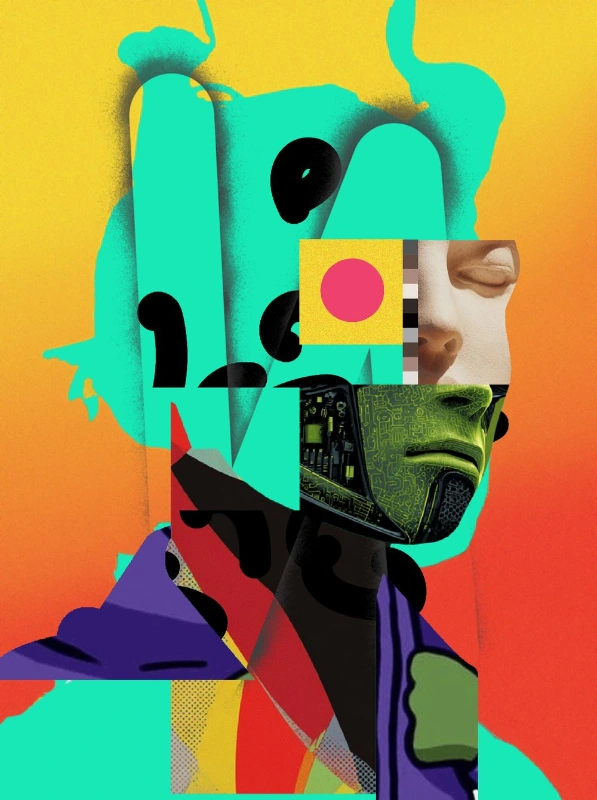
R3ORDR DIMENSIONAL ARTIFACT EDITION — beforeR3ORDR DIMENSIONAL ARTIFACT EDITION — after
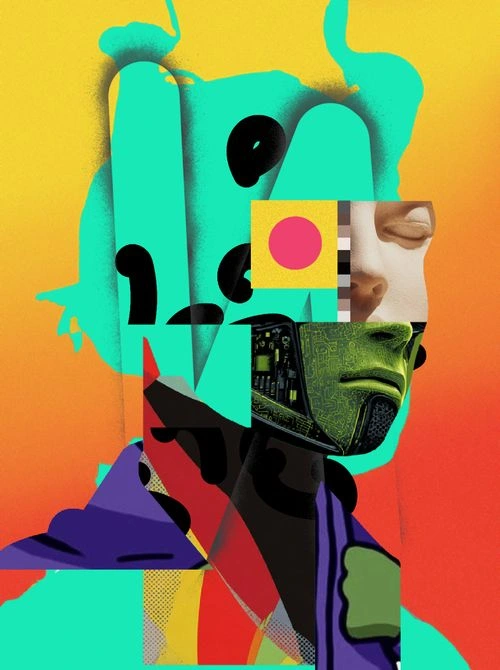
Before

R3ORDR DIMENSIONAL ARTIFACT EDITION

by @p1gg0d0
r3ordr
art

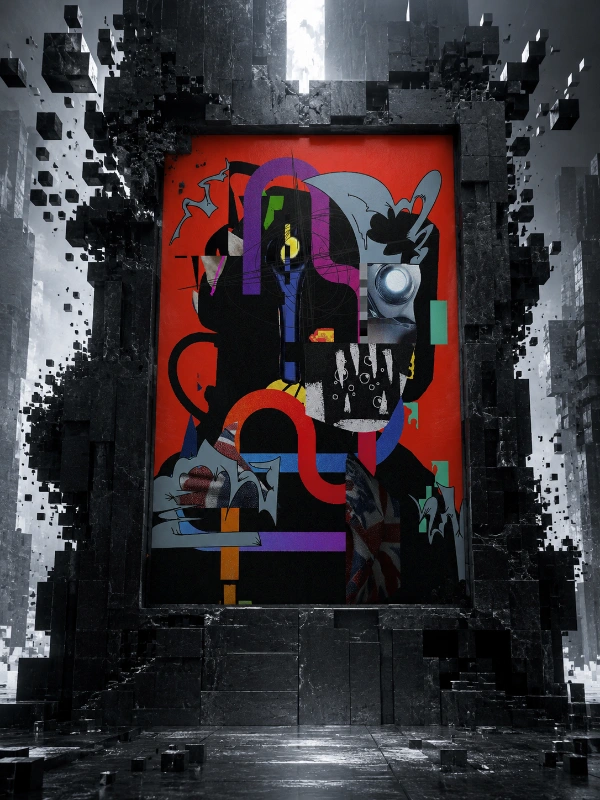
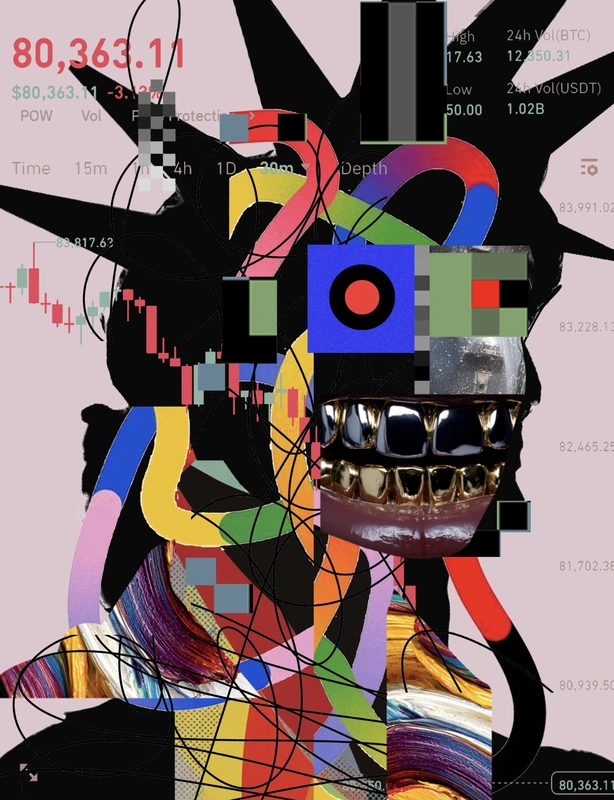
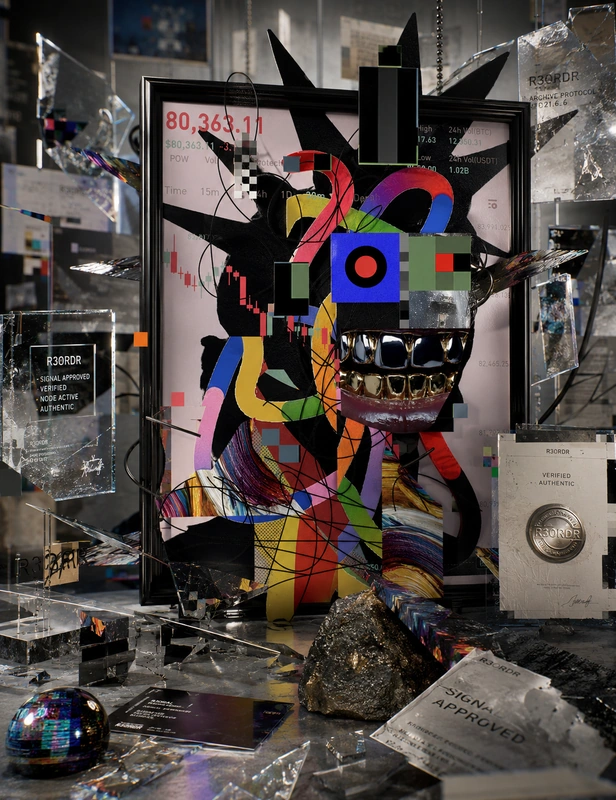
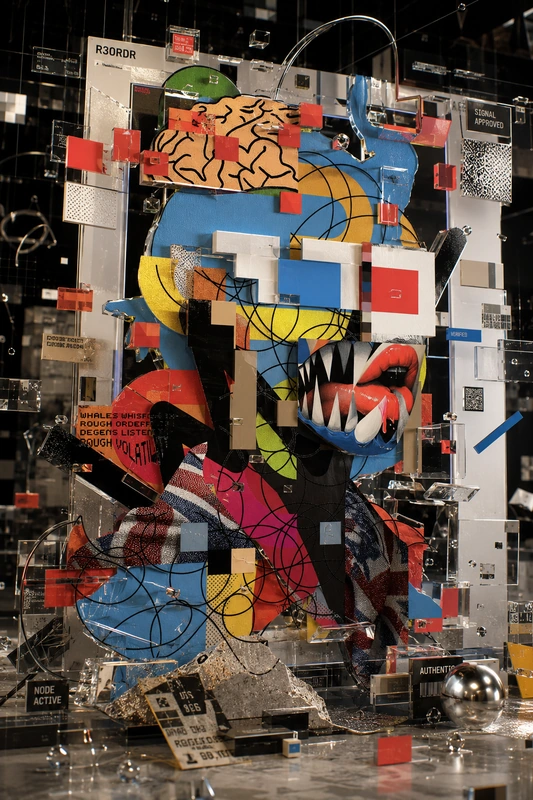
R3ORDR POST-INTERNET WEB3 ENVIRONMENT SYSTEM — DIMENSIONAL ARTIFACT EDITION Create an ultra high-resolution cinematic editorial composition where the uploaded artwork exists as the undeniable hero object inside a fractured post-internet Web3 ecosystem. The artwork must remain the primary focal point. The environment exists only to amplify the artwork. The viewer's eye should immediately lock onto the artwork before exploring the surrounding world. The artwork should feel like a rare authenticated digital artifact suspended inside a living decentralized archive. HERO ARTWORK TREATMENT The artwork must NOT sit flat inside its frame. The frame should function as a portal rather than a container. The artwork's silhouette should physically break beyond the frame boundaries. Large portions of the artwork should protrude into physical space: — spikes — ribbons — collage fragments — abstract forms — painted elements — graphic structures — texture layers The artwork should feel as if it is emerging from the frame. Some elements extend toward the camera. Some extend sideways beyond the frame. Some cast shadows onto surrounding fragments. The result should feel sculptural, dimensional and physically constructed. Think: "museum installation" rather than "framed artwork." DEPTH + DIMENSIONALITY Push dimensional depth aggressively. Build a genuine spatial installation using multiple depth planes: — foreground fragments crossing the camera plane — artwork layers escaping the frame — central artwork body — acrylic, glass, chrome and protocol structures behind it — atmospheric archive environment Use parallax, overlap, cast shadows, reflections, occlusion, depth-of-field transitions and atmospheric perspective. The artwork should feel physically constructed rather than rendered. ENVIRONMENT DNA Construct a premium fragmented post-internet archive using visual language extracted from the artwork itself: — acrylic shards — chrome debris — browser remnants — metadata fragments — archive scraps — compressed image artifacts — glitched screenshots — protocol remnants — blockchain diagrams — digital archaeology fragments — translucent geometric systems — suspended collage debris — fragmented visual archives The environment should feel like: "A collapsed internet reconstructed as a luxury museum installation." TYPOGRAPHY Use typography sparingly. Text should appear only as discovered artifacts embedded within: — archive scraps — protocol plates — verification seals — damaged documentation Rare appearances only: R3ORDR SIGNAL APPROVED VERIFIED NODE ACTIVE AUTHENTIC Typography should feel: — hidden — fragmented — aged — partially obscured Never dominant. The artwork remains the hero. MATERIALS + LIGHTING Everything should feel expensive and physical. Use: — frosted glass — translucent acrylic — polished chrome — brushed metal — reflective steel — resin — archival paper Luxury editorial lighting only: — large diffused light sources — subtle bloom — controlled reflections — soft metallic highlights — rich shadow separation Avoid: — cyberpunk lighting — RGB glow — gaming UI — sci-fi screens — hologram overload COLOR + FRAGMENTS Expand colors directly from the artwork. Support with: — charcoal black — graphite — muted chrome — metallic silver — faded whites — desaturated blue-grey Increase: — floating debris — fractured materials — reflective shards — collage remnants — archive fragments — visual artifacts Decrease text. Every fragment should feel intentional. FINAL MOOD A museum-grade Web3 artifact erupting from its frame inside a fractured decentralized visual operating system. Not cyberpunk. Not sci-fi. Not a trading dashboard. Not a UI showcase. A premium post-internet editorial universe. A luxury digital archive. A fragmented visual operating system. A true R3ORDR environment.

View Prompt
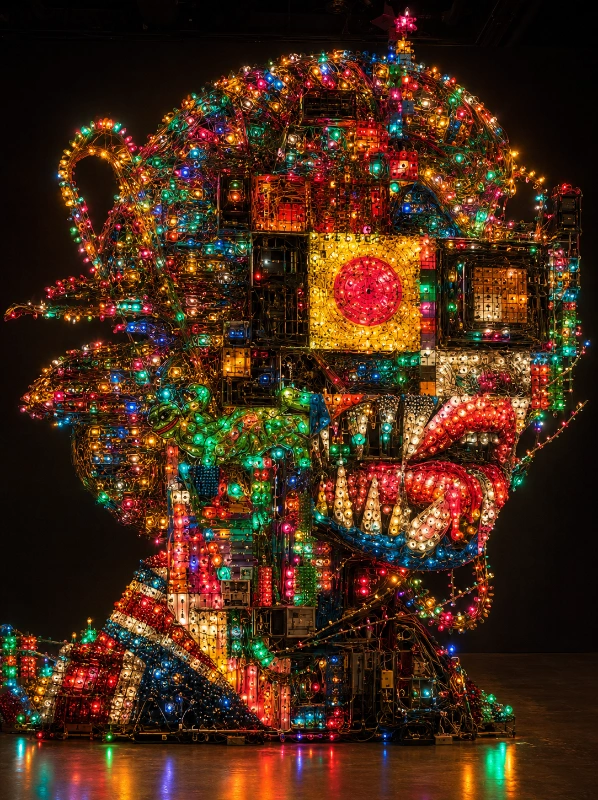
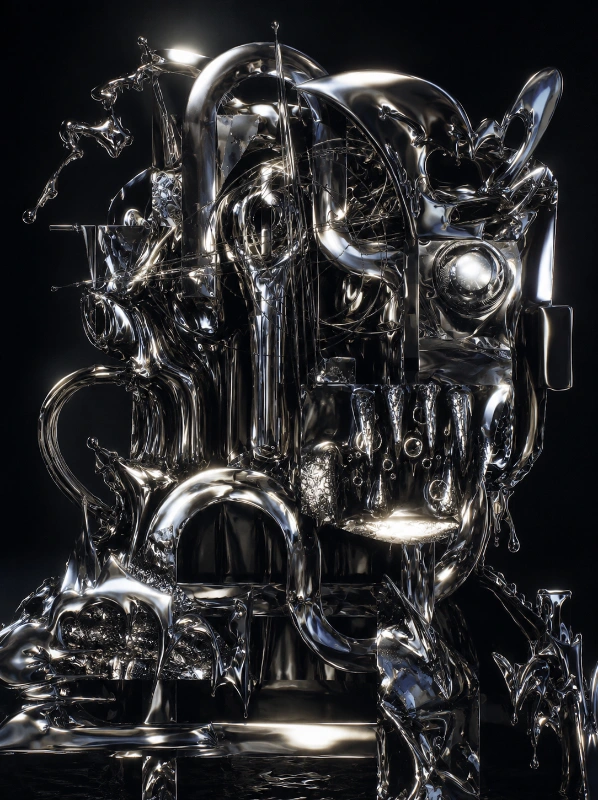
R3ORDR: DIMENSIONAL ARTIFACT ERUPTION — beforeR3ORDR: DIMENSIONAL ARTIFACT ERUPTION — after
Before

R3ORDR: DIMENSIONAL ARTIFACT ERUPTION

by @p1gg0d0
r3ordr
art

R3ORDR POST-INTERNET WEB3 ENVIRONMENT SYSTEM — DIMENSIONAL ARTIFACT ERUPTION Create an ultra-high-resolution cinematic editorial composition where the uploaded artwork exists as the undeniable hero object inside a fractured post-internet Web3 ecosystem. The artwork must remain the primary focal point. The environment exists only to amplify the artwork. The artwork should feel like a rare authenticated digital artifact suspended inside a living decentralized archive. HERO ARTWORK TREATMENT The frame functions as a failed containment device. The artwork erupts beyond its boundaries, fracturing, bending, stretching, and displacing the frame. Internal layers physically protrude into surrounding space. The artwork should feel like a dimensional museum artifact, editorial sculpture, archaeological relic, and reconstructed internet fossil rather than a flat image. The silhouette extends beyond its original boundaries and physically dominates the composition. ARTIFACT ERUPTION SYSTEM The artwork generates the environment. Extract and reconstruct the artwork's visual DNA into floating archive fragments, browser remnants, interface debris, metadata artifacts, geometric systems, protocol graphics, warning elements, texture fragments, calibration markers, compressed image artifacts, and digital relics. Everything visible should originate from the artwork itself. The environment should feel like: "The artwork exploded into a living decentralized archive." DIMENSIONAL DEPTH SYSTEM Create aggressive spatial depth using: — parallax — cast shadows — reflections — transparency — atmospheric perspective — depth of field — soft focus transitions Artwork fragments detach and occupy multiple layers of space. Some drift toward the viewer. Some emerge from behind the artwork. Some cross camera space. The composition should feel physically constructed, generative, and alive. MATERIAL SYSTEM Nothing should appear flat. Use: — layered paper — acrylic — frosted glass — resin — chrome — brushed metal — reflective steel — transparent plastics Fragments reveal cut edges, cast shadows, refract light, and interact with neighboring layers. Everything should feel physically fabricated and museum-grade. ENVIRONMENT DNA Construct a premium fragmented post-internet editorial world using: — floating acrylic fragments — chrome debris — archival paper remnants — damaged screenshots — metadata archaeology — fractured protocol structures — reconstructed browser fragments — translucent geometric systems — archive plates — verification fragments — abstract blockchain diagrams — operating-system remnants The environment should feel like: "A collapsed internet reconstructed as a luxury museum installation." TYPOGRAPHY SYSTEM Typography functions as rare archaeological artifacts. Use only occasional appearances of: R3ORDR SIGNAL APPROVED VERIFIED NODE ACTIVE AUTHENTIC Typography should remain hidden, fragmented, weathered, partially obscured, and embedded within archive fragments. Never dominant. LIGHTING Luxury museum-grade editorial lighting. Use: — large diffused light sources — soft reflections — controlled highlights — subtle bloom — rich shadow separation Avoid cyberpunk aesthetics, RGB lighting, hologram overload, and sci-fi glow. COLOR SYSTEM Extract the palette directly from the artwork and expand it throughout the environment. Support with: — charcoal black — graphite — muted chrome — metallic silver — faded whites — desaturated neutrals The environment should feel genetically connected to the artwork. FINAL MOOD A dimensional Web3 relic tearing itself out of containment. A living protocol artifact. A luxury decentralized archive. A reconstructed internet fossil. A museum-grade R3ORDR installation where the artwork is generating reality around itself.
View Prompt
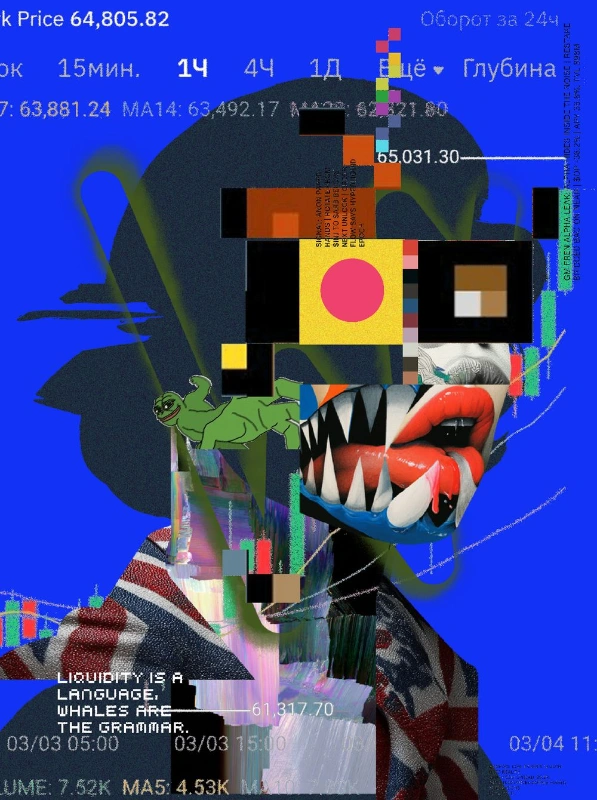
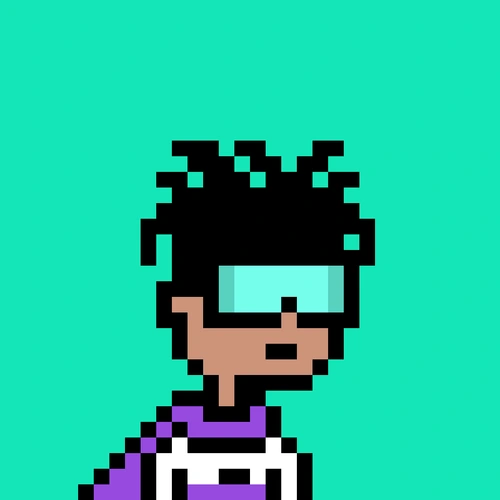
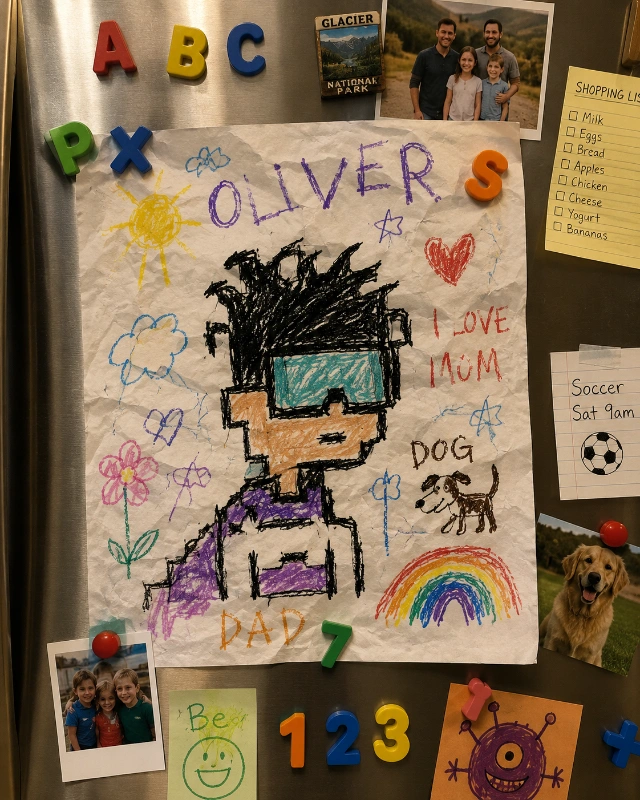
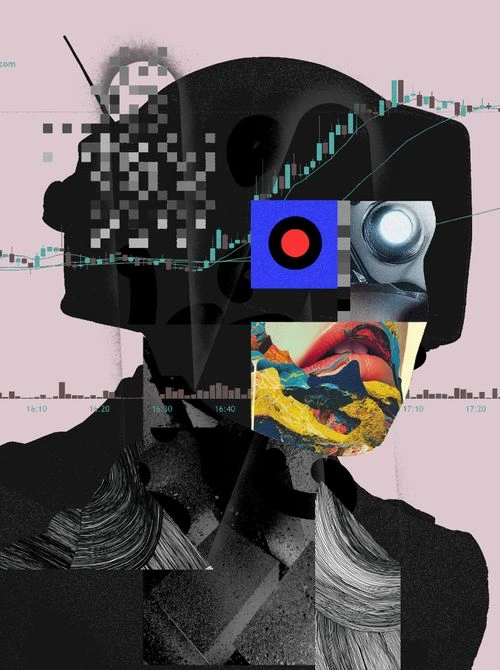
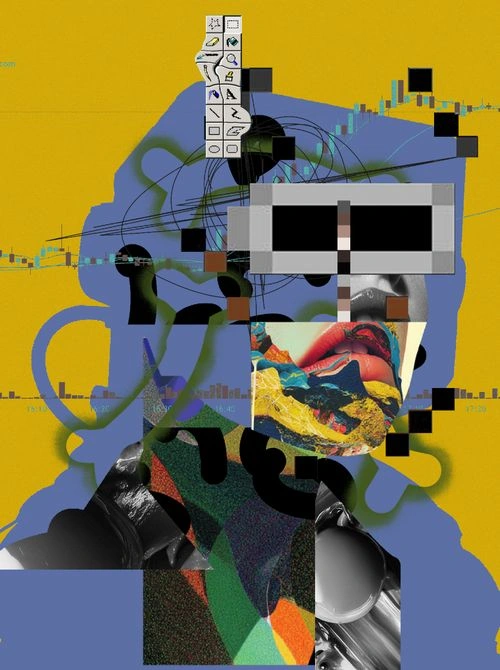
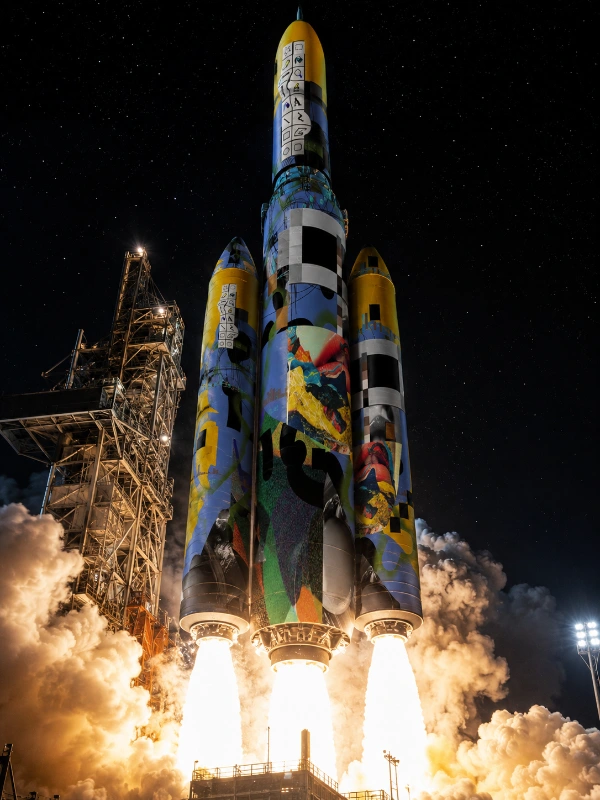
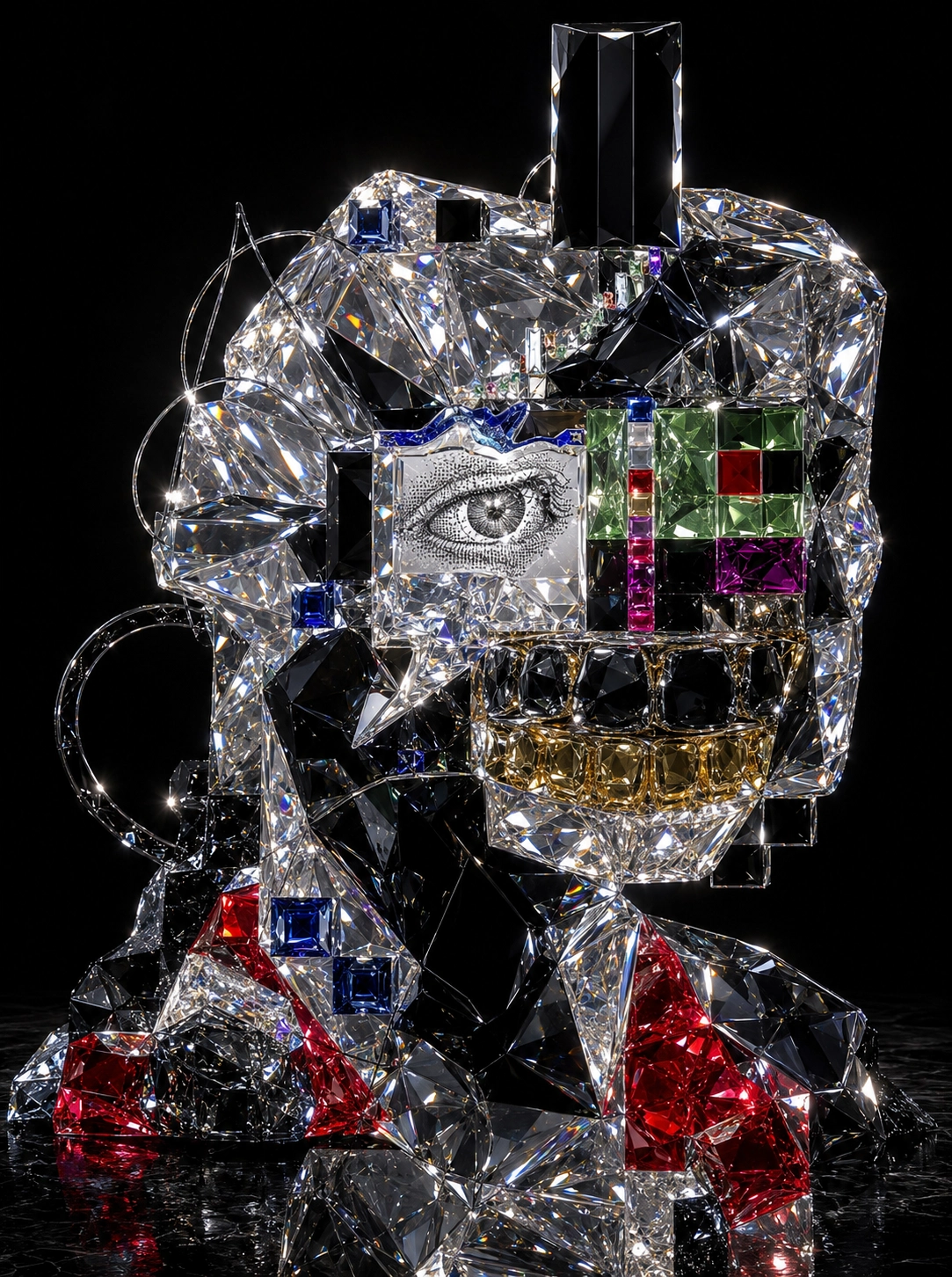
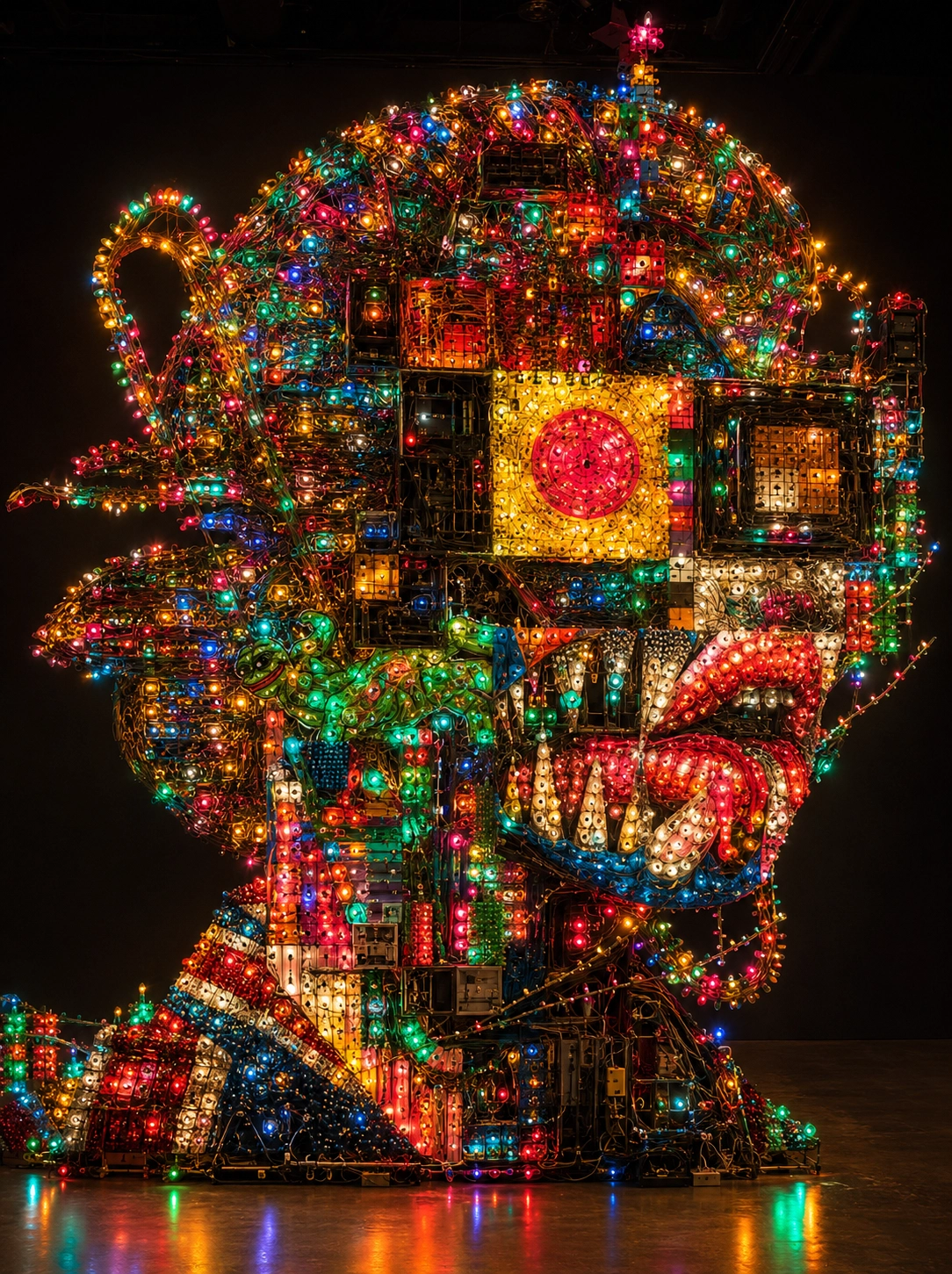
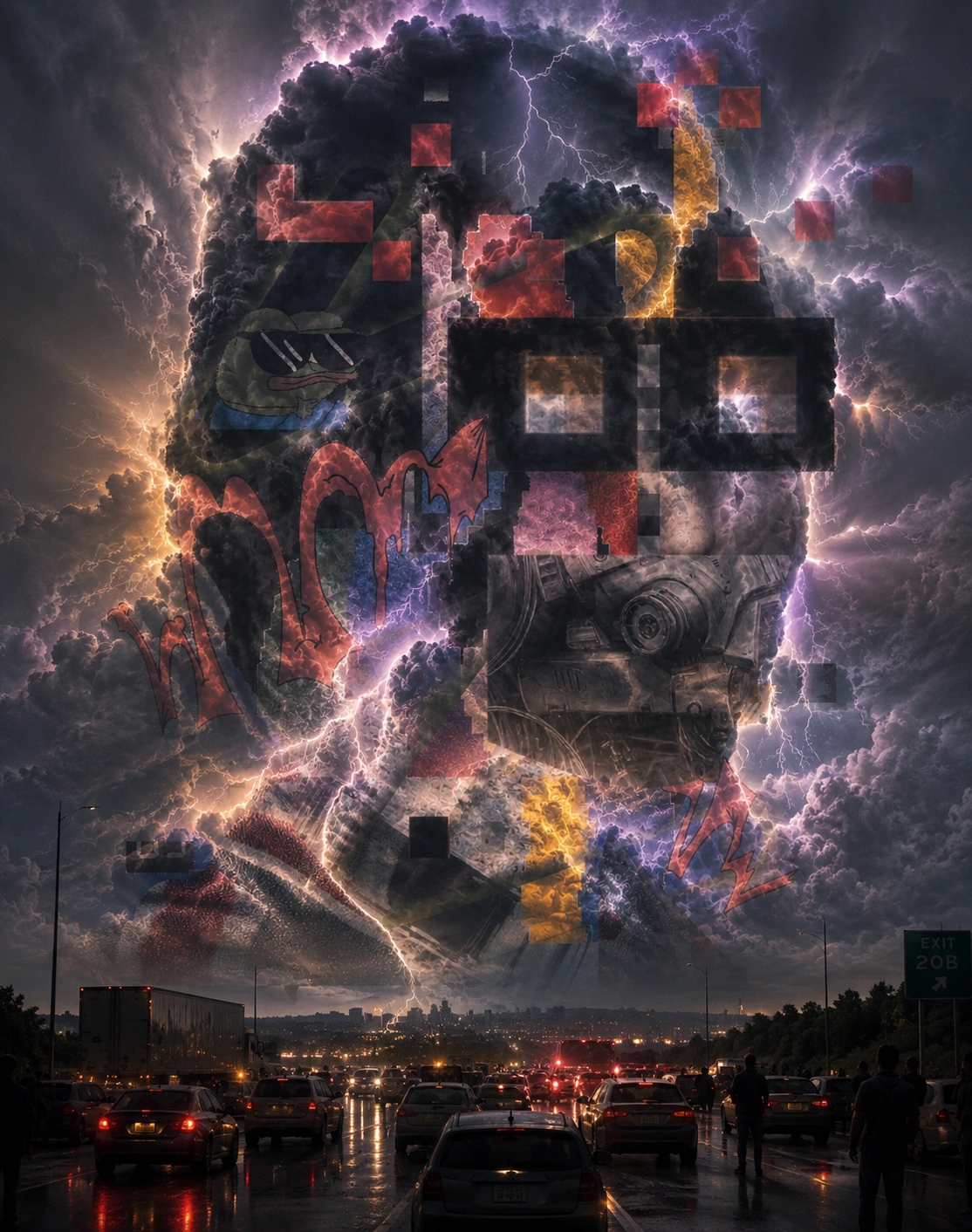
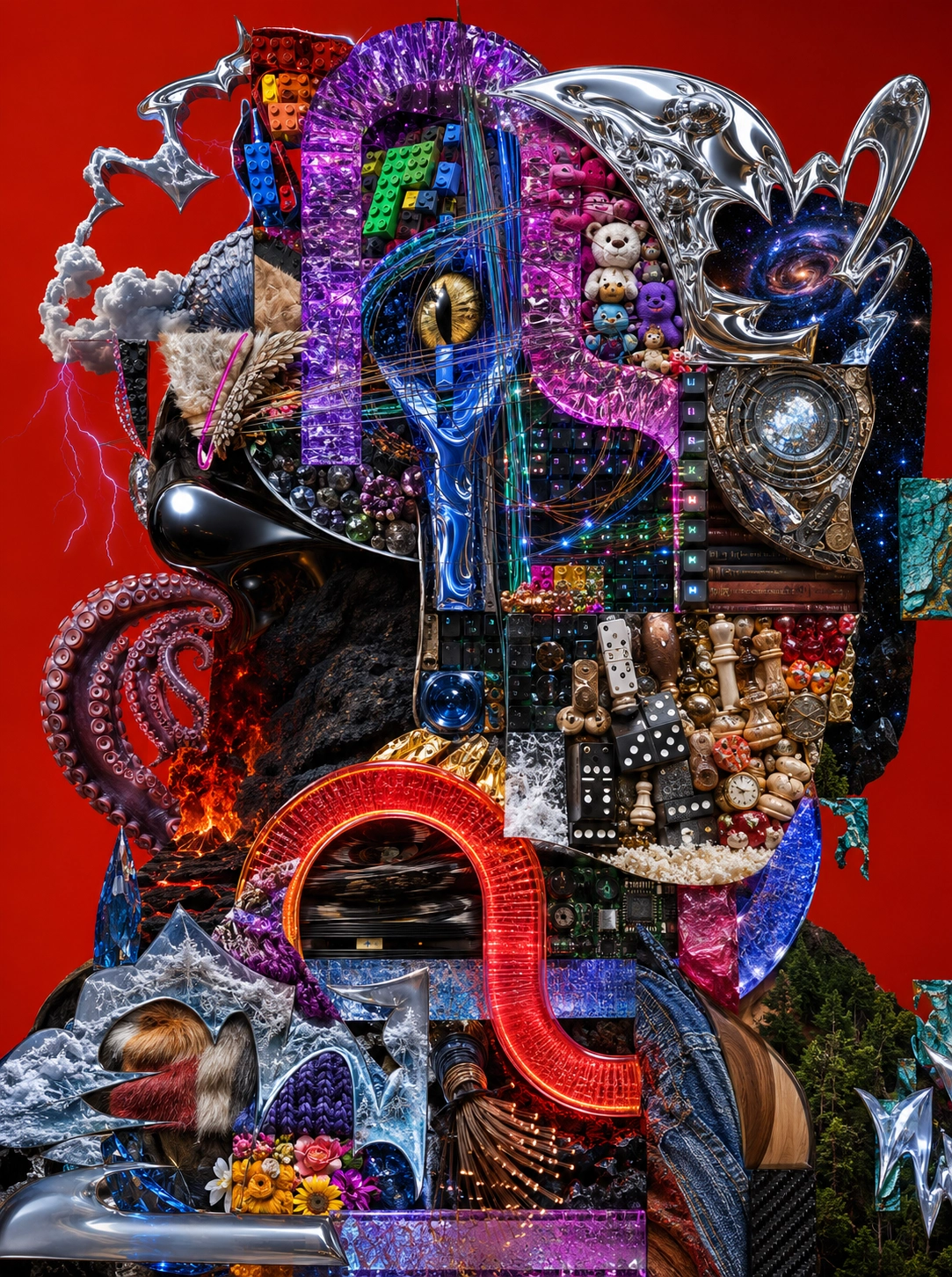
R3ORDRIZE your PFP — beforeR3ORDRIZE your PFP — after
Before

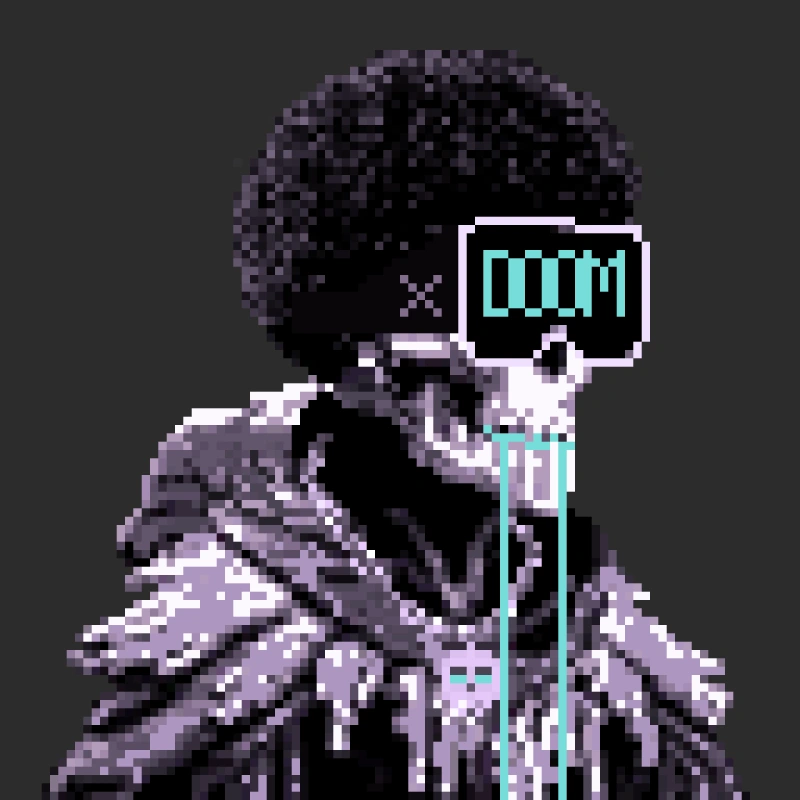
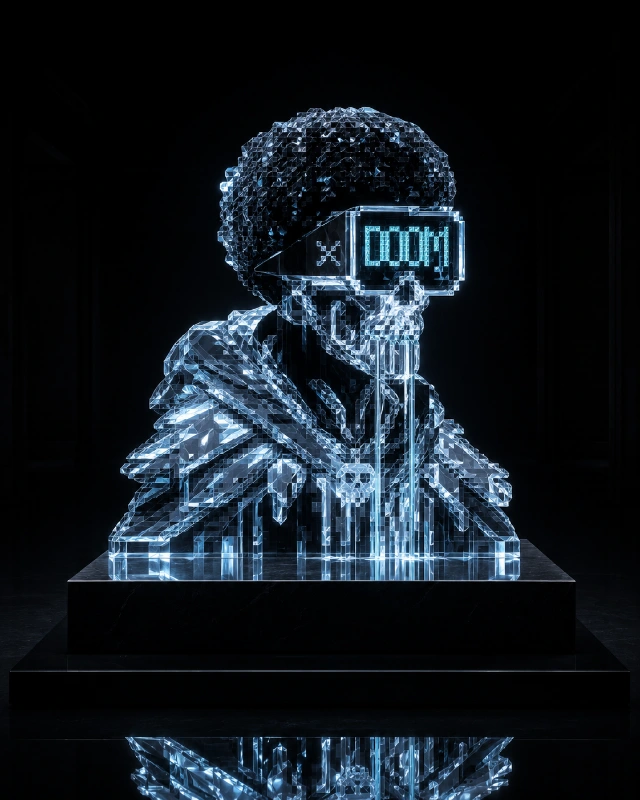
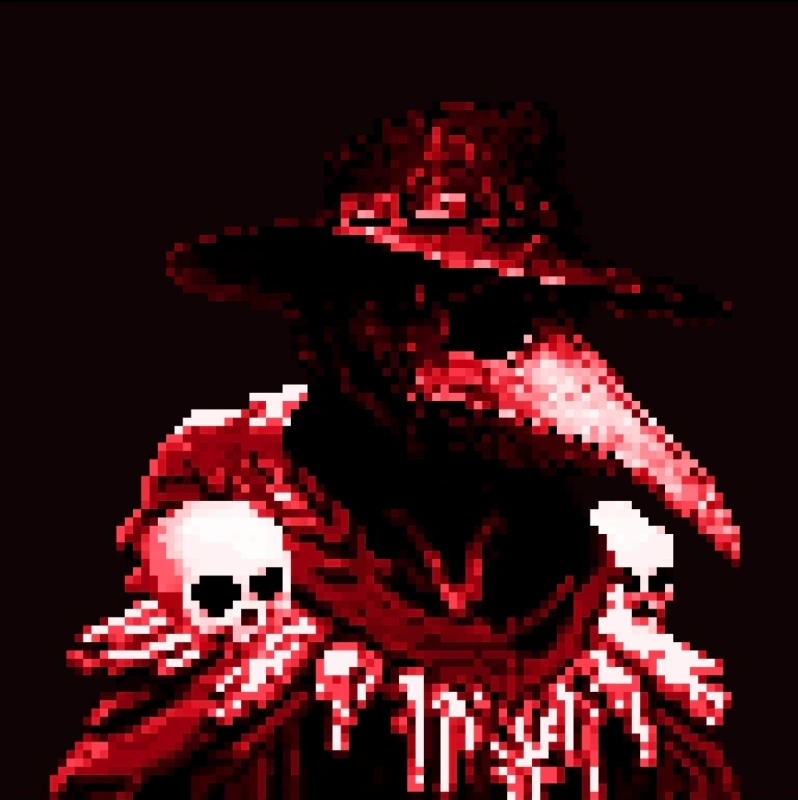
R3ORDRIZE your PFP

1
r3ordr
pfp

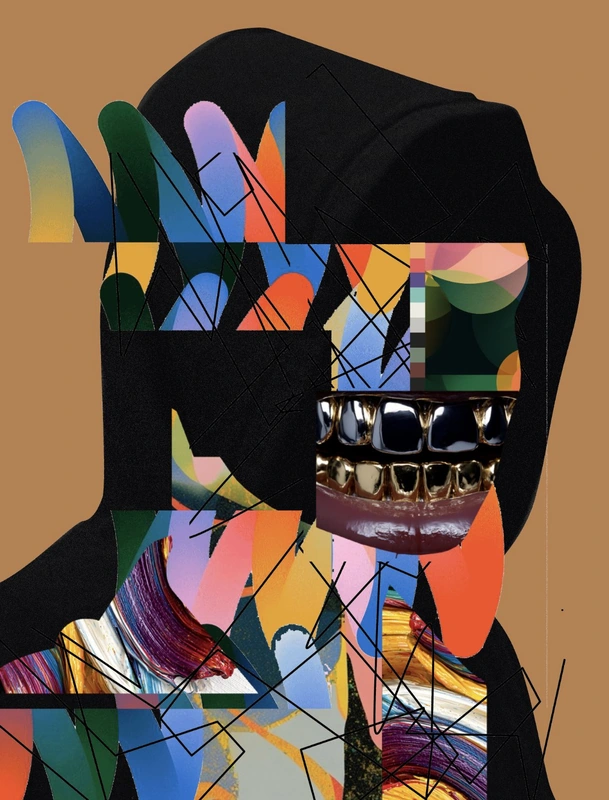
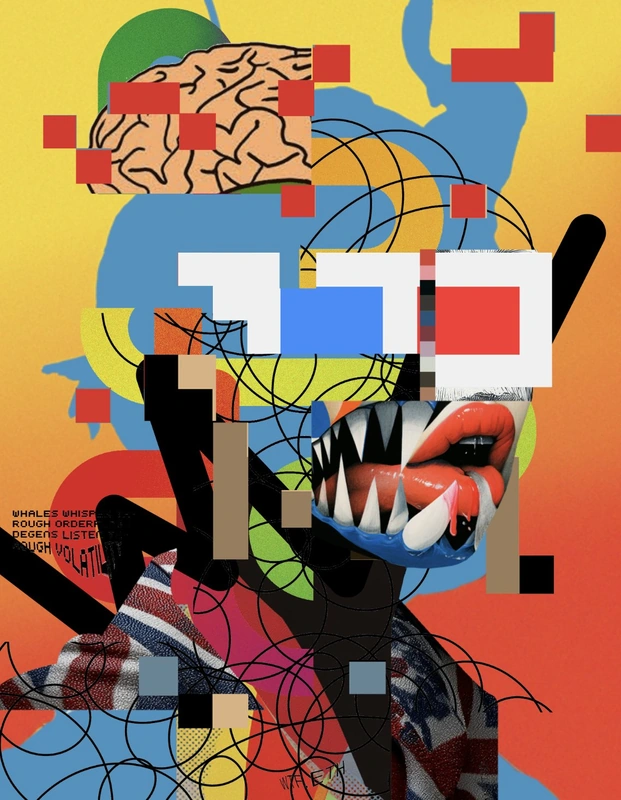
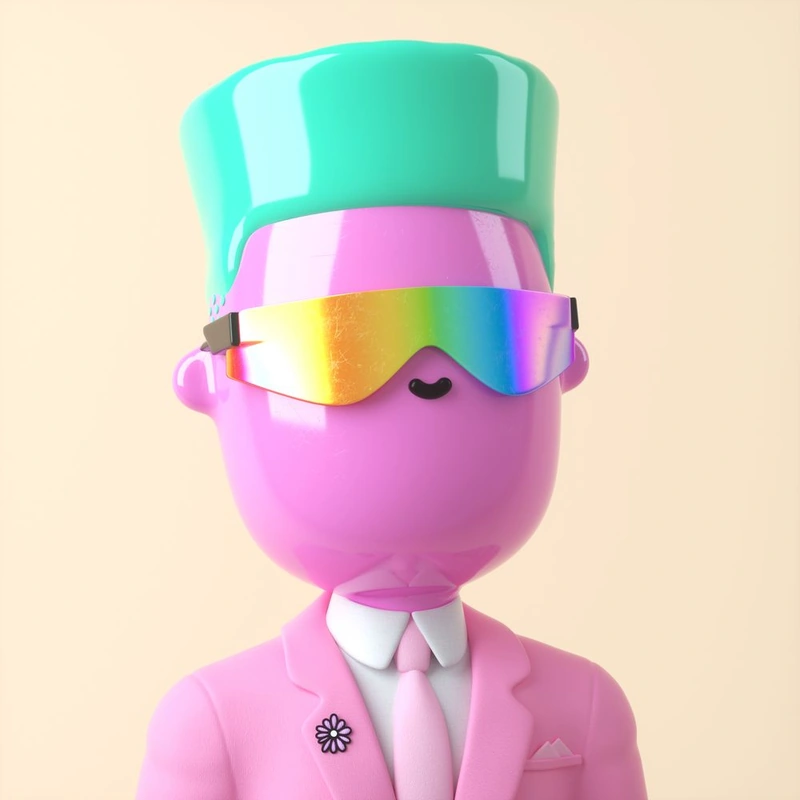
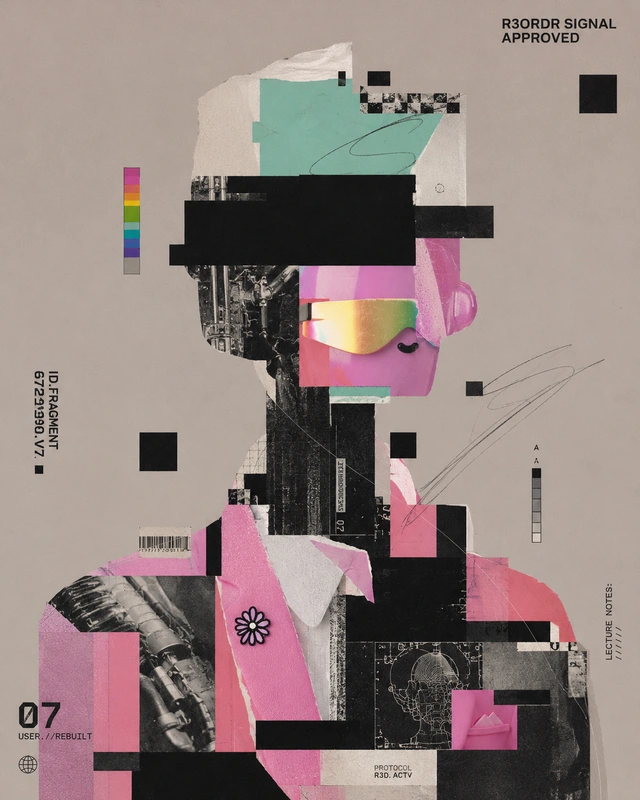
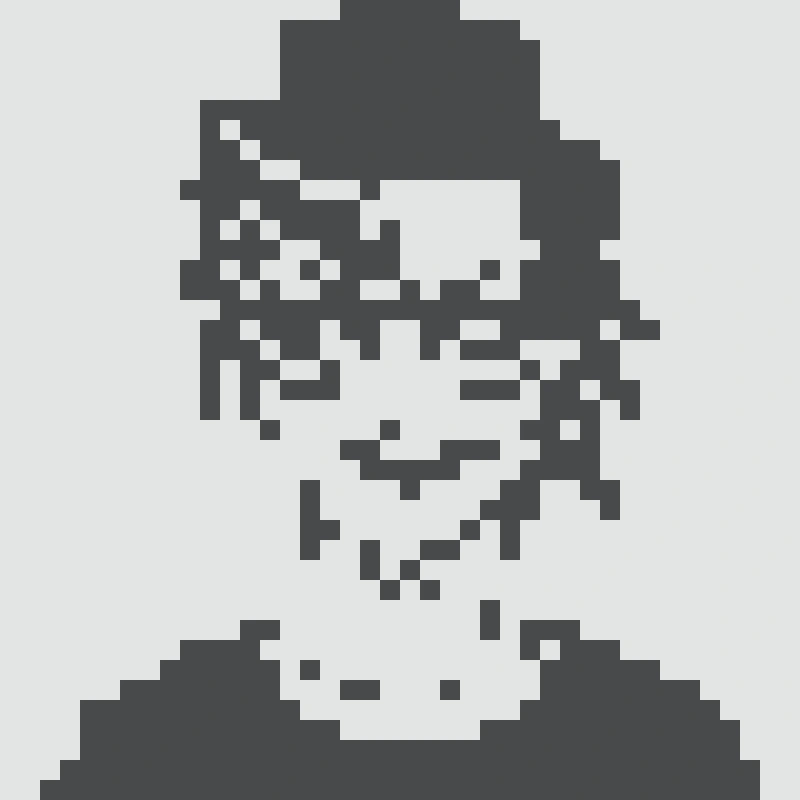
Create a highly curated post-internet editorial collage portrait using the uploaded PFP ONLY as hidden identity DNA. CRITICAL CREATIVE STRATEGY: DO NOT preserve the original PFP silhouette. DO NOT redraw the uploaded character directly. DO NOT build the composition around the uploaded face. Instead: STEP 1 — FIRST CREATE AN ENTIRELY NEW SILHOUETTE Construct a completely original abstract humanoid silhouette that visually belongs to the same universe as this collection. IMPORTANT: The silhouette should be MUCH LARGER than the original references. The head and upper body should dominate most of the canvas. The humanoid should feel zoomed-in, oversized, and compositionally heavy. Reduce visible torso and body structure significantly. DO NOT create a full body. DO NOT create detailed shoulders, chest, or anatomy. Keep the silhouette focused mainly on: — head — neck — partial upper shoulder forms — cropped upper-body mass The silhouette should feel: — anonymous — reconstructed — graphic — emotionally distant — brutalist — partially machine-made — editorial — like a fragmented museum artifact The silhouette itself should strongly resemble the visual language of the reference collection: — flattened abstract head shapes — asymmetrical side profiles — imperfect organic contours — chunky silhouette blocking — irregular cut-paper geometry — silhouette-first composition — oversized head mass — cropped framing — minimal anatomy definition The silhouette must feel MUCH closer to the collection references than to the uploaded PFP. VERY IMPORTANT: The viewer should first think: “this belongs to the collection.” NOT: “this is somebody’s PFP.” The uploaded PFP should only become visible through hidden fragments embedded INSIDE the structure. STEP 2 — RECONSTRUCT THE INTERIOR USING COLLAGE SYSTEMS After the new silhouette is created: rebuild the INSIDE using layered editorial collage systems inspired by the collection references. The artwork should feel: — handcrafted — curated — layered — assembled from visual artifacts — post-internet — gallery-grade — intentionally designed DO NOT use: — AI glitch effects — cyberpunk wallpaper aesthetics — random distortion filters — floating overlays — clean rendered avatars Instead use: — hard collage cuts — brutal black masking bars — modular square interruptions — abstract geometric blocks — fragmented image windows — cut-paper layering — mechanical insertions — torn editorial structures — color strip systems — xerox textures — offset print imperfections — analog collage noise — matte paper surfaces — visual interruptions — negative-space carving — fragmented visual memory systems INSERT THESE COLLECTION-STYLE ELEMENTS INTO THE SILHOUETTE: — thick black brutalist bars — tiny floating black squares — color calibration strips — thin scribbled vector lines — looping chaotic pen strokes — fragmented typography columns — rotated vertical text — micro UI fragments — broken data labels — cropped editorial text systems — abstract painted ribbons — colorful curved geometric forms — paper-cut gradients — painterly streak textures — scanned print grain — magazine clipping fragments — mechanical/robotic photographic inserts — chrome machinery — robotic jaw fragments — industrial metal surfaces — x-ray anatomy fragments — distorted mouth/grill fragments — surreal eye/nose crops — fragmented social media UI pieces — low-battery/system-message fragments — broken meme/internet artifacts — grayscale machine interiors — layered texture intersections — distressed photographic cutouts — contemporary mixed-media masking systems STEP 3 — INJECT SMALL PARTS OF THE UPLOADED PFP ONLY AFTER the new silhouette and collage structure are complete: subtly inject recognizable fragments from the uploaded PFP into selected areas. Examples: — partial eye — small facial fragment — visor detail — color accents — tiny silhouette clues — cropped accessories — texture fragments — clothing detail — isolated mouth section — small recognizable shape memory The PFP should function ONLY as: — hidden identity DNA — embedded memory fragments — subtle recognition clues The original PFP should remain ONLY 15% recognizable. IMPORTANT COMPOSITION RULES: The silhouette should occupy MOST of the frame. The humanoid should feel close to camera and oversized. Allow parts of the silhouette to extend beyond the canvas edges. At least 85% of the final artwork should be rebuilt from: — collage materials — abstract geometry — editorial interruptions — machine fragments — typography systems — brutalist masking — painterly abstractions — collection-inspired visual language The uploaded PFP must feel BURIED INSIDE the artwork. The final image should feel like: — an artwork from the original collection — a curated gallery print — a brutalist editorial artifact — a reconstructed internet identity — a crypto-native museum poster — an abstract post-human portrait BACKGROUND STYLE: Use a CLEAN MINIMAL BACKGROUND ONLY: — muted grey — dusty blue-grey — matte charcoal — soft industrial beige — faded clay — flat desaturated tones NO detailed environments. NO cinematic scenes. NO wallpaper backgrounds. NO glowing cyberpunk lighting. TEXTURE & PRINT FEEL: Add: — subtle print grain — matte paper texture — risograph imperfections — slight ink inconsistencies — scanned poster realism — soft analog noise — imperfect layering edges The final piece should feel: printed, assembled, physical, and collectible. Add text naturally integrated top-right: R3ORDR SIGNAL APPROVED FINAL GOAL: The final image should look like it was ALWAYS part of this original art collection — but contains hidden identity fragments from the uploaded PFP embedded inside the reconstructed oversized silhouette. Keep forms asymmetrical, tactile, imperfect, cropped aggressively, and physically assembled. Raw.!

View Prompt