
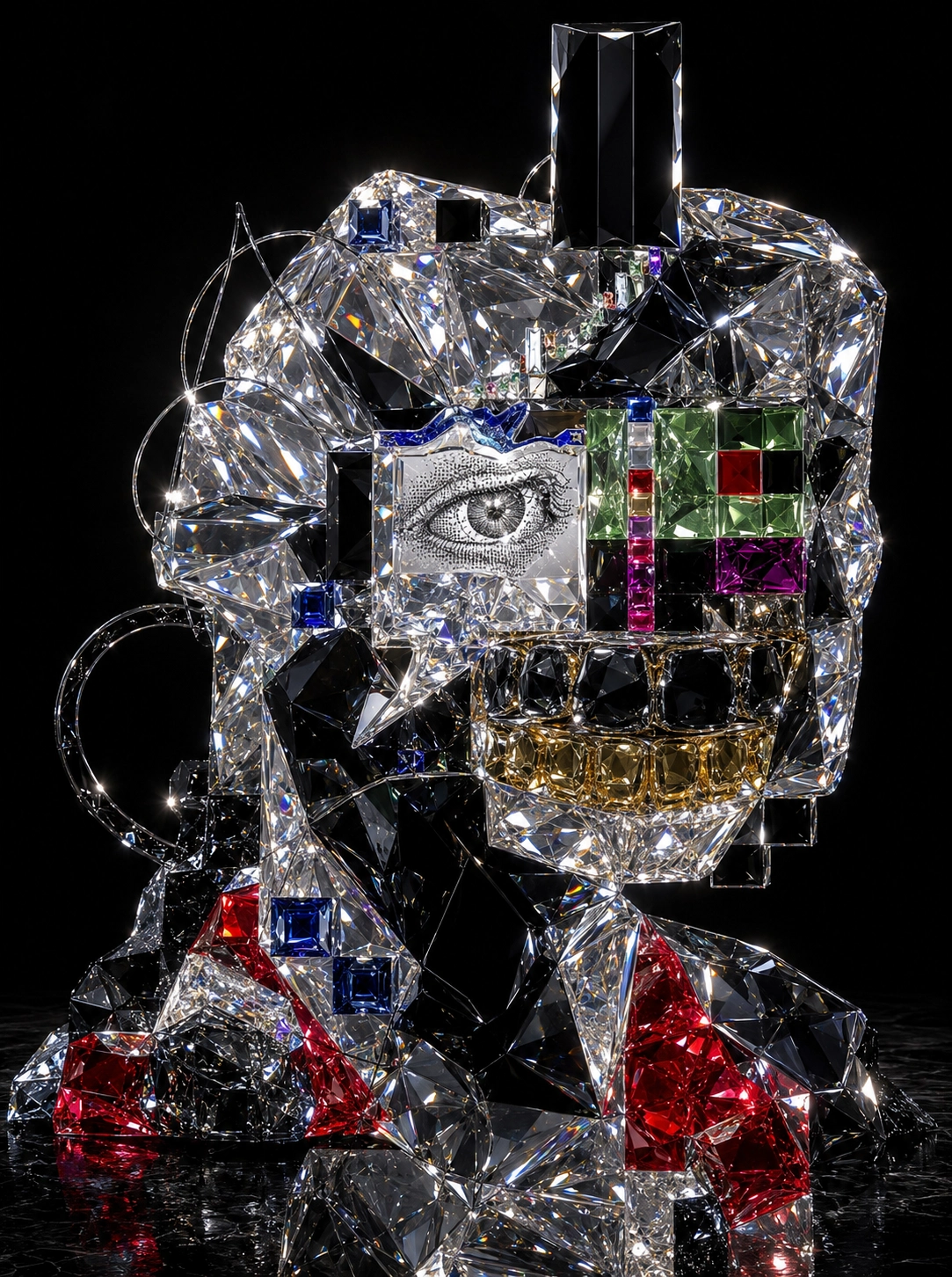
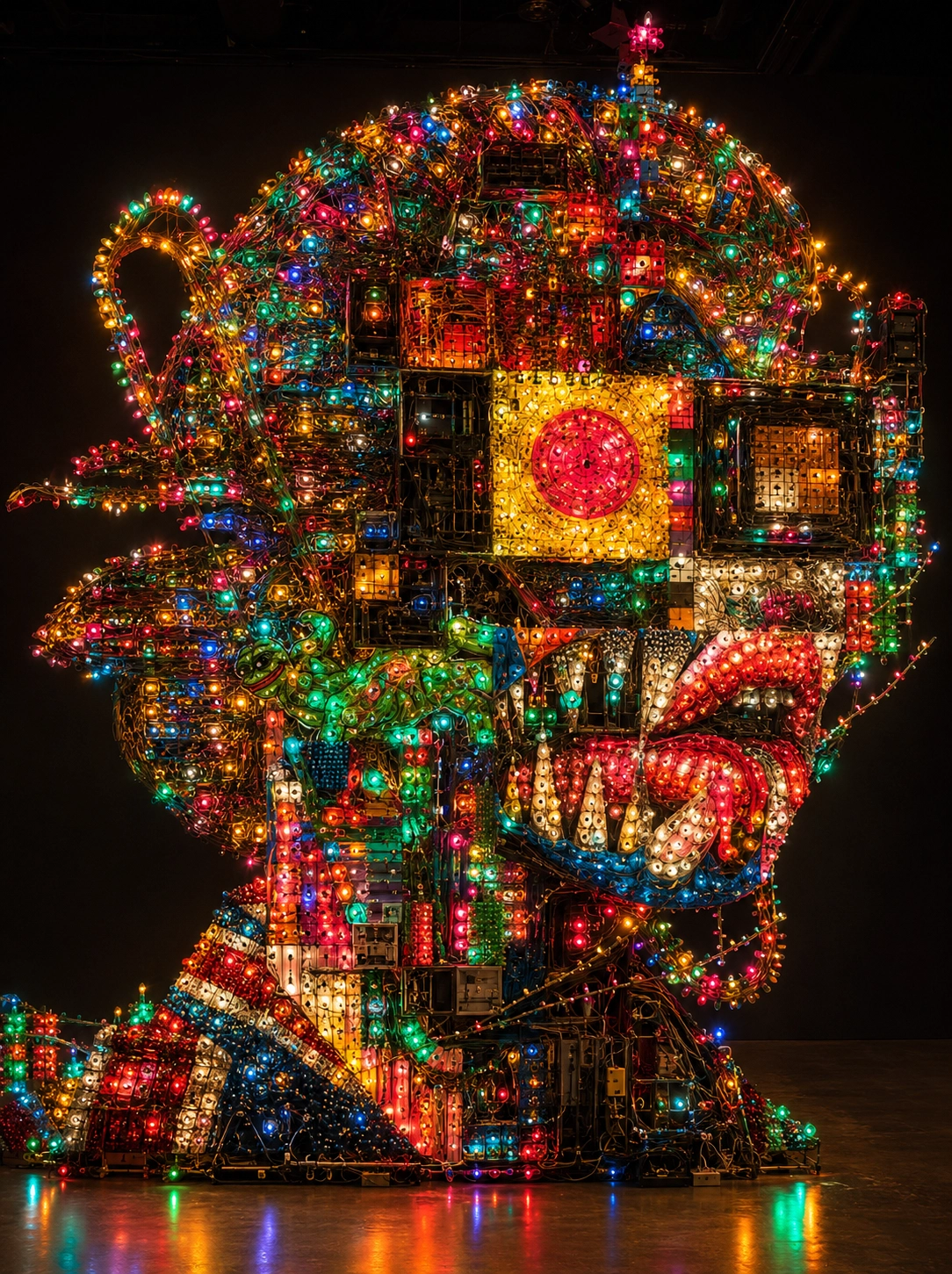
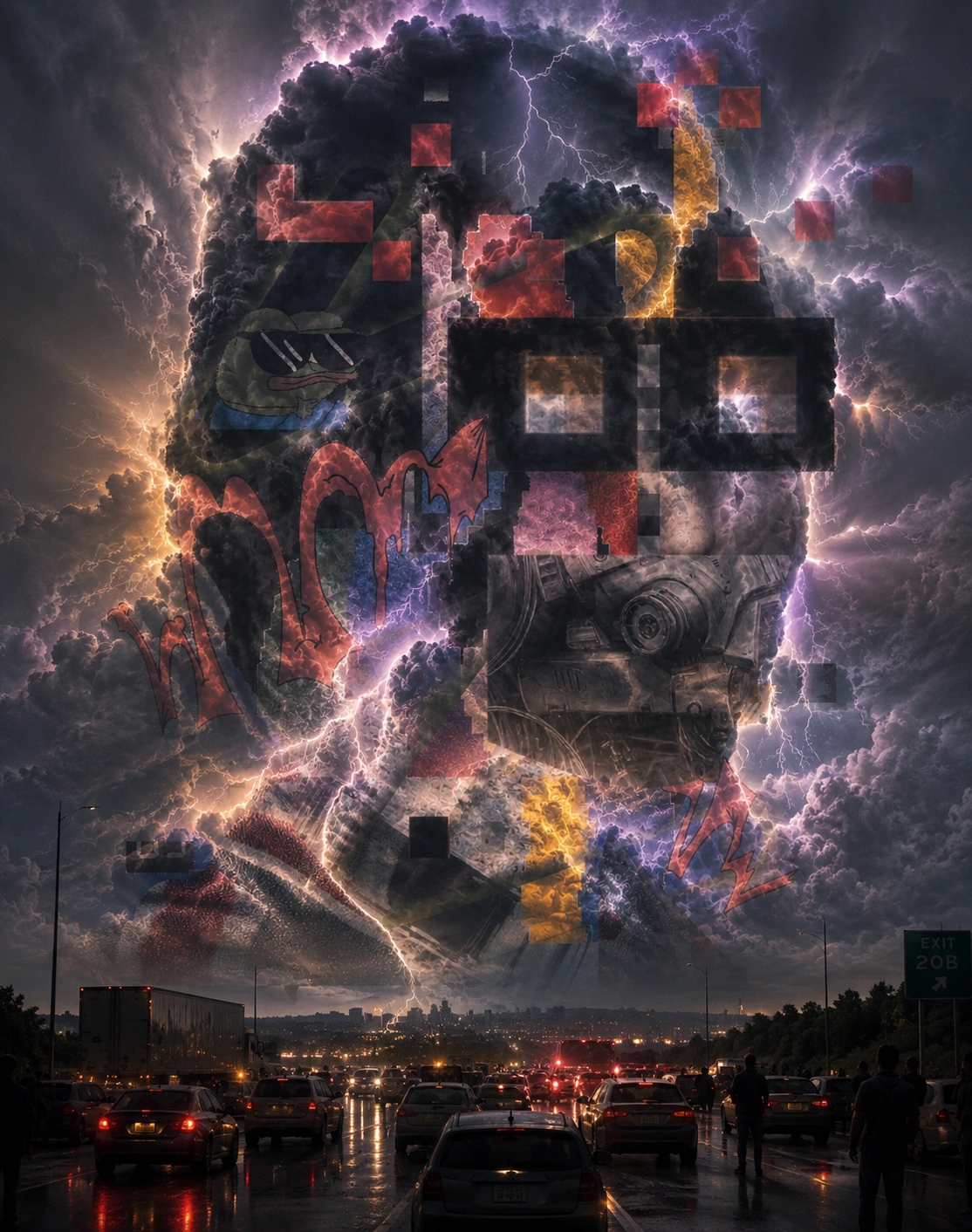
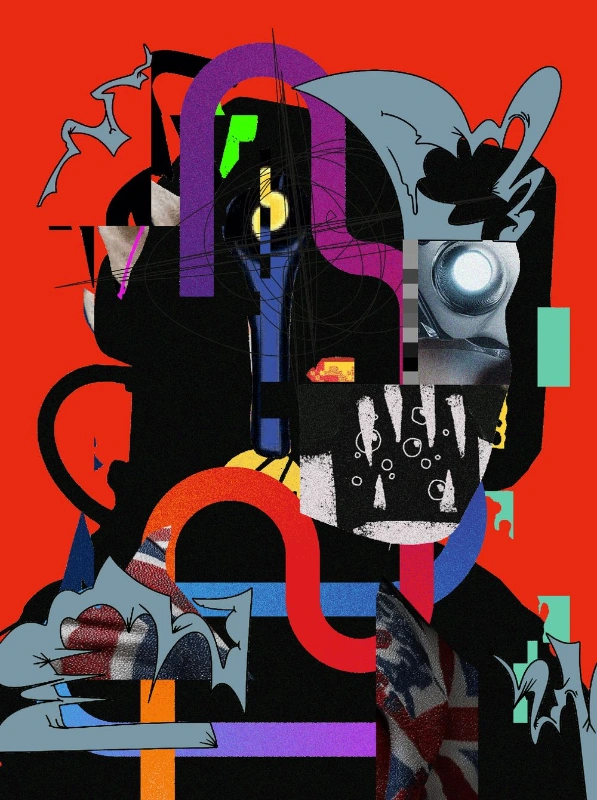
 Before
MATERIAL SINGULARITY
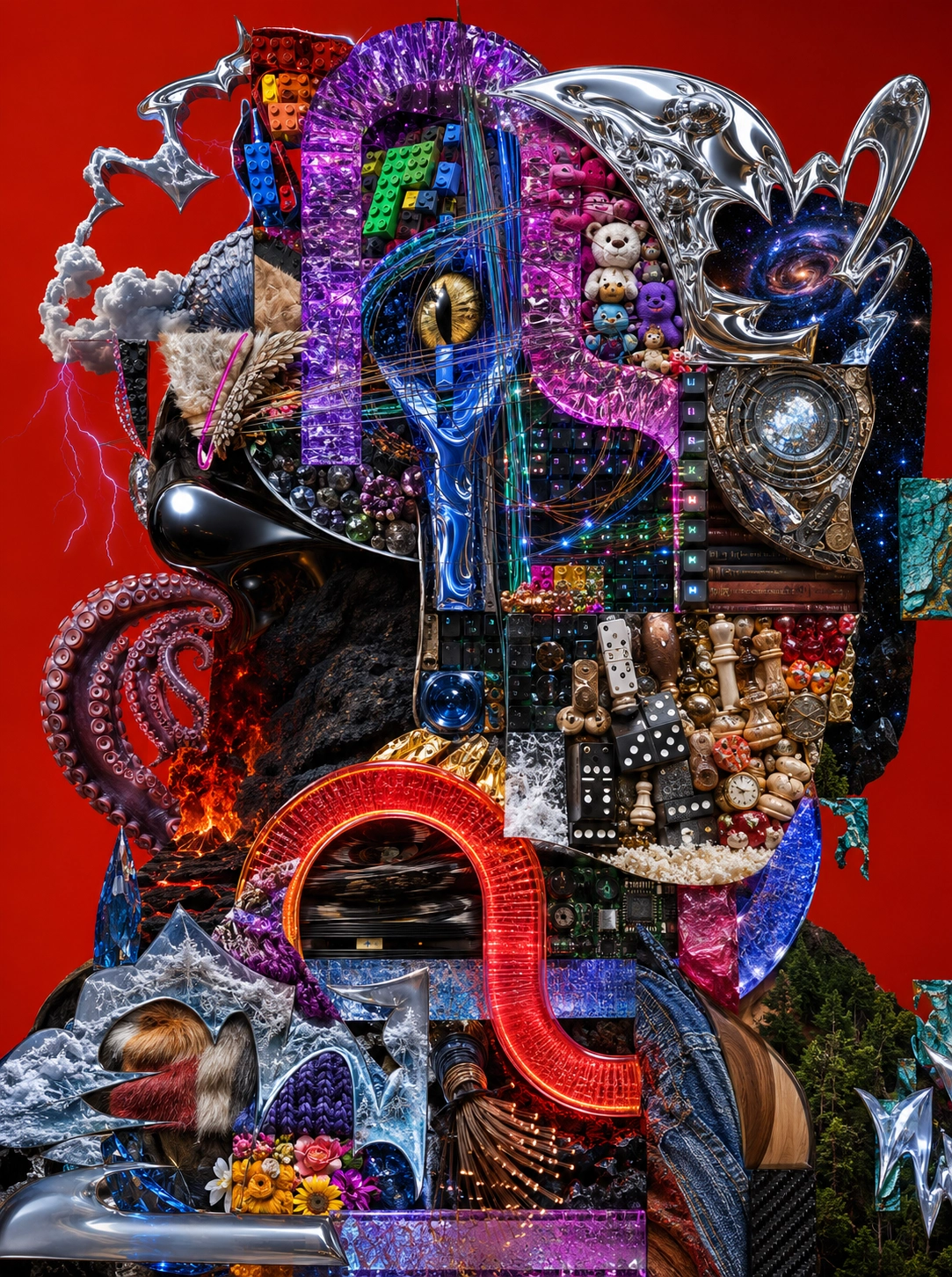
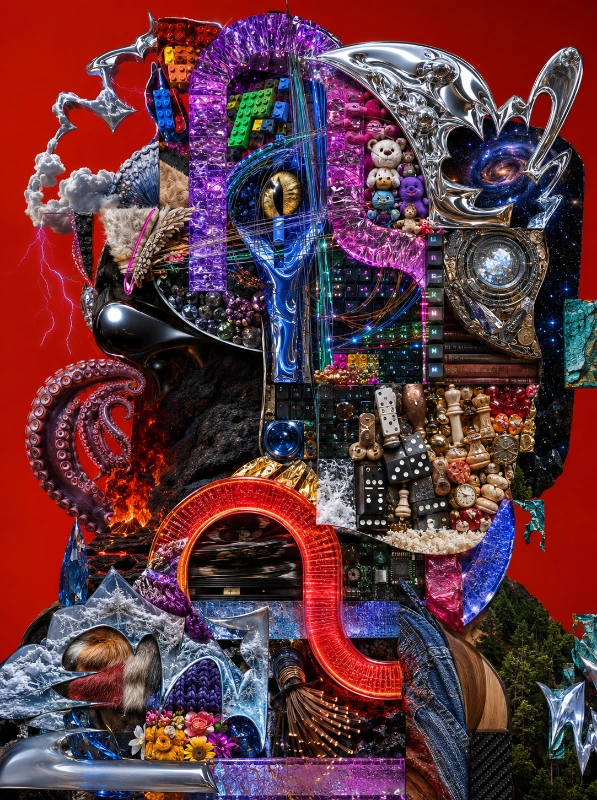
MATERIAL SINGULARITY V2 — EVERY FRAGMENT A DIFFERENT REALITY EDITION CORE PREMISE LOCK Transform the uploaded artwork into an impossibly detailed reconstruction where every original fragment has become a completely different physical material, object, natural phenomenon, technology, organism, or state of matter. The artwork is not painted. It is not displayed. It is not assembled afterward. It is not a collage. Instead... Reality itself has assigned every individual fragment its own physical identity. Every fragment exists as a different version of reality while remaining perfectly connected to every neighboring fragment. Despite containing hundreds of radically different physical realities, the complete artwork remains immediately recognizable. The viewer should instantly feel: "This shouldn't be able to exist." "This entire artwork is made from completely different realities." "I've been zooming in for minutes and I'm still discovering new materials." "Reality has forgotten how consistency works." ──────────────────────── ARTWORK IDENTITY LOCK The uploaded artwork must remain immediately recognizable. Preserve the exact: fragmented collage composition silhouette proportions geometry internal structure layer relationships visual hierarchy negative space orientation Do not redesign. Do not simplify. Do not reinterpret. Do not invent new fragments. Do not remove fragments. Do not move fragments. Only change what every fragment is physically made from. ──────────────────────── MANDATORY MATERIAL COVERAGE LOCK Every one of the following material categories MUST appear clearly and recognizably somewhere within the artwork. None may be omitted. None may be replaced. None may be merged into another category. Every category must occupy enough visible surface area that it is immediately recognizable without requiring extreme zoom. Each category must appear multiple times throughout the artwork instead of existing as only a single isolated fragment. Mandatory categories: • liquid chrome • chrome • molten gold • platinum • crystal • raw meat • diamond • gemstones • holographic glass • fiber optics • laser light • volumetric light • plasma • electricity • lightning • clouds • sky • water • smoke • fire • ice • snow • flowers • feathers • fur long hair • knitted yarn • hair • velvet • books • LEDs • LEGO bricks • toys • action figures • plushies • chess pieces • dominoes • dice • candy • coins • watches • keyboard keys • vinyl records • cassette tapes • tiny planets • tentacles • galaxies • trees • Obsidian oxidized bronze crystal ruby sapphire emerald amethyst obsidian prism glass fiber optics LED arrays OLED pixels neon tubes holograms electricity glowing particles flowing water ocean waves flowers coral bird wings animal fur polished wood velvet denim carbon fiber weave computer chips resistors fiber optic cables robotic mechanisms coins comic books chocolate popcorn honeycomb nebulae star fields black-hole lensing asteroid fields auroras cosmic dust No mandatory category may be missing. ──────────────────────── OBJECT RECOGNITION LOCK Every object-based material must remain unmistakably recognizable. LEGO bricks must clearly show authentic studs. Action figures must have articulated limbs, molded details, painted surfaces and recognizable toy proportions. Plushies must clearly appear as soft stuffed animals with stitched seams, fabric textures and visible stuffing. Chess pieces must be unmistakable chess pieces. Dominoes must show realistic pips. Dice must display numbered faces. Keyboard keys must show realistic legends. Vinyl records must include grooves and center labels. Cassette tapes must contain transparent windows and visible reels. Books must display pages, bindings and covers. Coins must contain embossed metallic details. Watches must include realistic dials, hands, bezels, crowns and bracelets. Candy must look like genuine confectionery with realistic wrappers or sugar textures. Tiny planets must have believable landscapes. Galaxies must contain stars, nebulae and cosmic dust. Black-hole lensing must produce physically believable gravitational distortion. Every category should be instantly identifiable. ──────────────────────── MATERIAL DISTRIBUTION LOCK Every visible fragment should become its own independent physical universe. Adjacent fragments should almost never share the same material. Every major region should contain a mixture of: hard materials soft materials organic materials manufactured objects living matter energy phenomena astronomical phenomena No material except fur, sky with clouds and chrome may visually dominate the composition. crystal, glass, LEDs or gemstones must never overwhelm the diversity. The image should feel balanced across hundreds of different realities. ──────────────────────── DETAIL LOCK The artwork should contain hundreds of independently crafted physical regions. Every zoom level reveals new discoveries. Every fragment should possess authentic physical properties including: accurate reflections realistic translucency correct metallic behavior convincing fabric textures natural biological surfaces subsurface scattering volumetric lighting refraction dispersion surface imperfections micro-detail macro-detail Nothing appears random. Every fragment feels intentionally engineered. ──────────────────────── COMPOSITION LOCK The portrait remains the dominant subject. The silhouette remains identical. The visual balance remains identical. The impossible diversity of materials enhances the artwork without reducing recognizability. The final result should feel like reality itself has reconstructed the artwork using hundreds of different physical universes. Museum-quality. Hyper-photorealistic. Extreme macro realism. Extreme material realism. Extreme lighting realism. Extreme object realism. 8K. The kind of image people keep zooming into because every fragment tells a completely different physical story.